
Real-World Laboratories at KIT
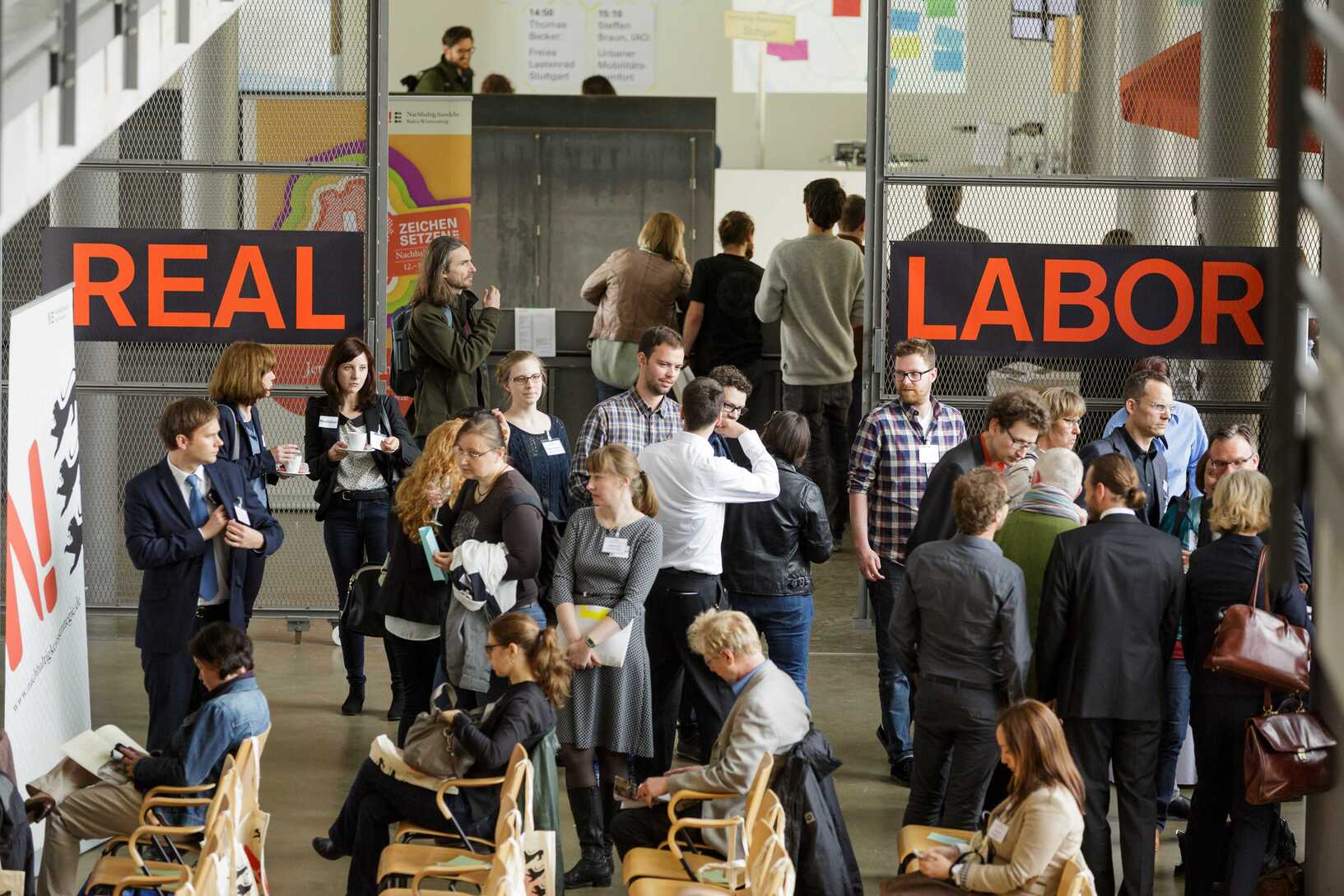
How do we jointly develop sustainable solutions? Real-world laboratories are places of experimentation where science and society work closely together. New technologies and social innovations are tested directly in everyday life. This creates solutions and pathways for technology, daily life, and living together – practical, innovative, and focused on the common good.
Learn more here about real-world laboratory research at KIT.
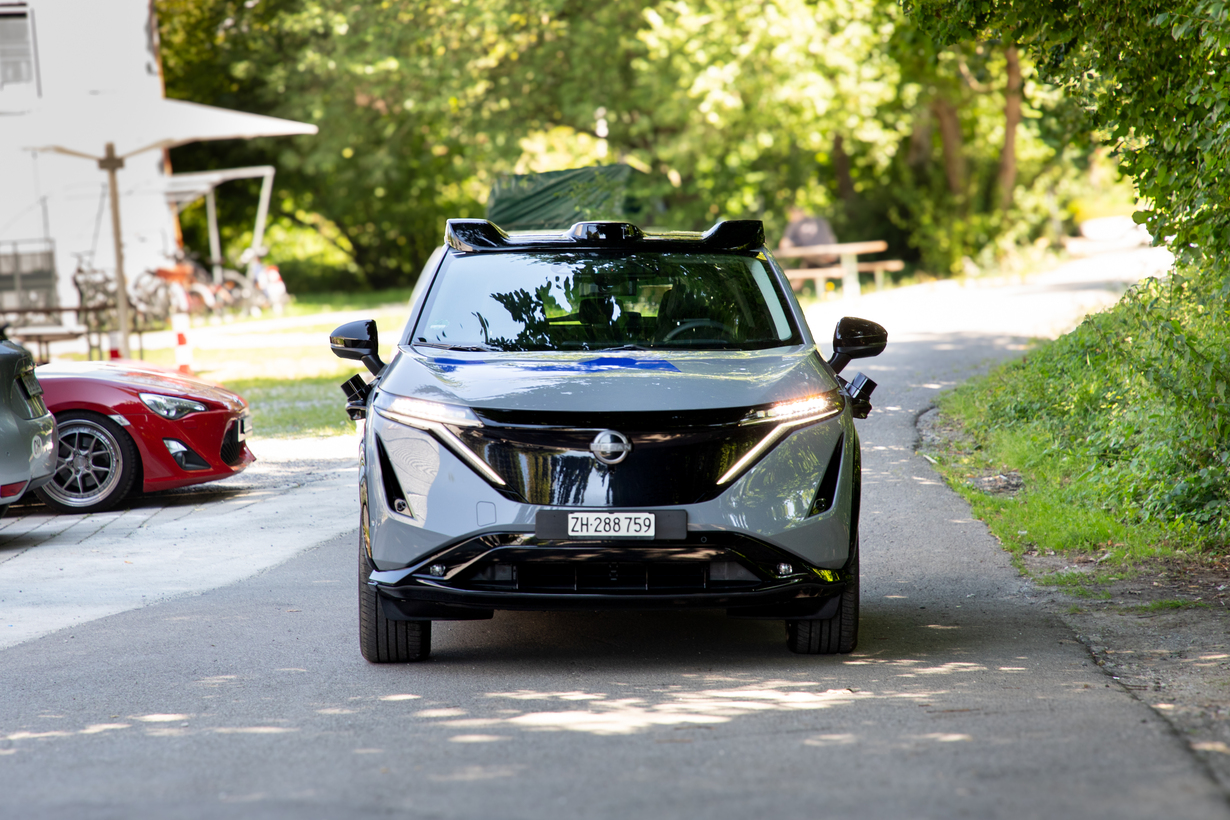
ADMoS-Future investigates how autonomous mobility can contribute to a sustainable and resilient mobility system of the future. It focuses on conceptual and empirical questions regarding acceptance, governance, and regulatory requirements at multiple locations, such as in Karlsruhe and within the iamo project in the Swiss Furttal region.
more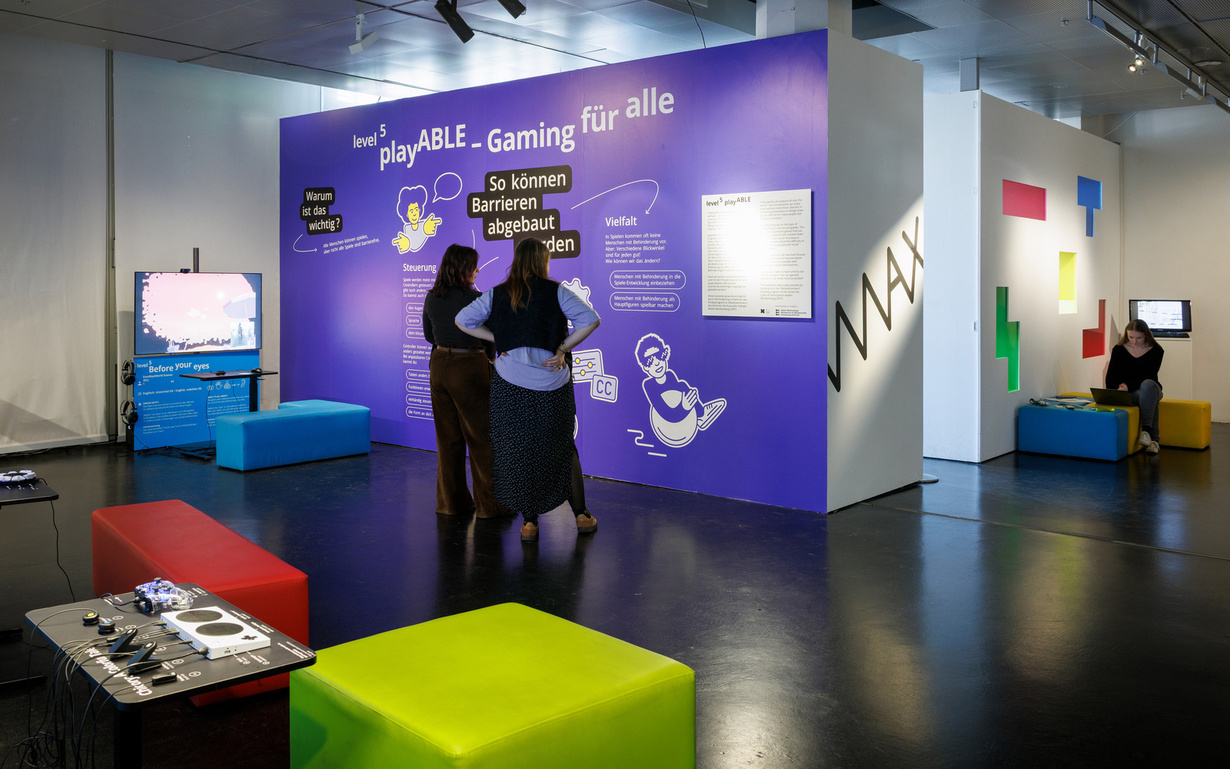
The Accessibility Real-World Laboratory investigates new approaches for how people with disabilities can participate in society without barriers. The focus is on topics in the areas of architecture, human-machine interaction, digital accessibility, and assistive technologies.
More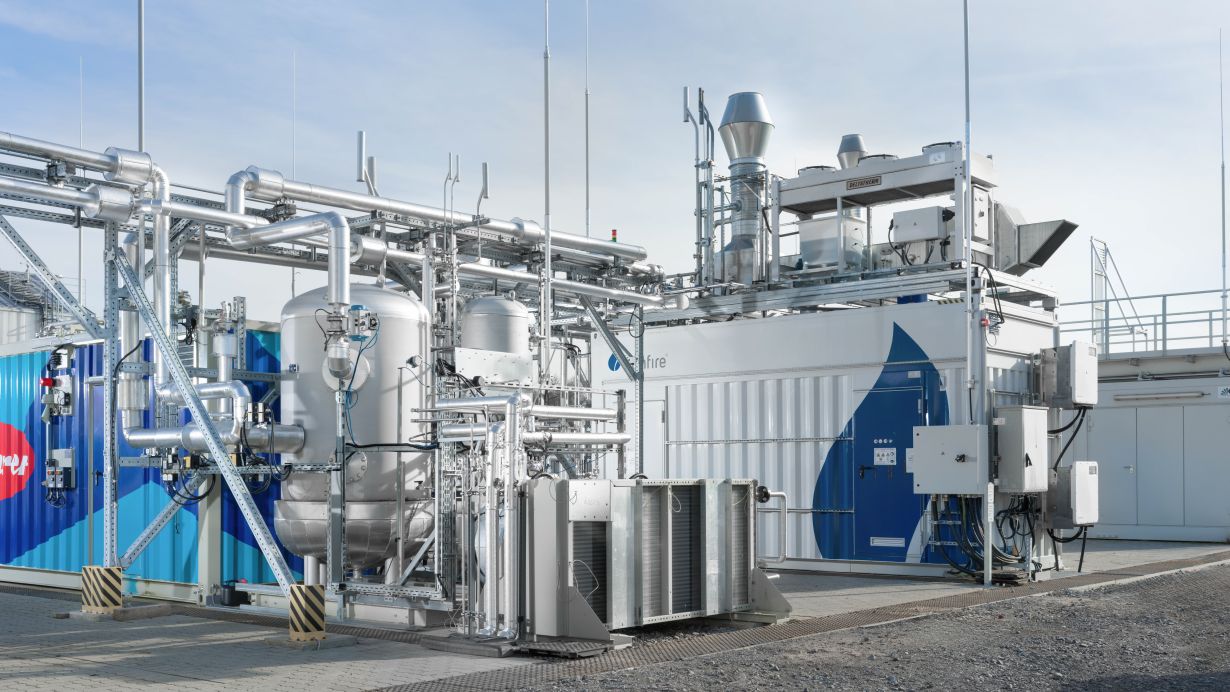
How can energy be generated in an environmentally friendly way and stored with minimal losses? What happens when the sun isn't shining and the wind isn't blowing, and suddenly more electricity is needed? With these questions in mind, the Energy Lab investigates the intelligent integration of various energy generation, storage, and distribution options.
More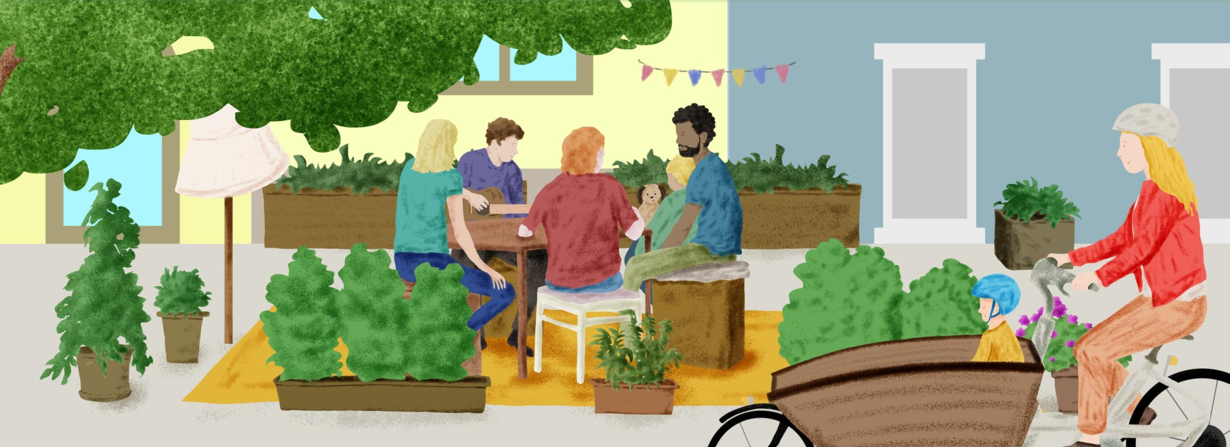
The Karlsruhe Real-World Laboratory for Sustainable Climate Protection (KARLA) brings climate protection closer to society and investigates measures across five areas: climate-friendly business travel, climate protection in construction, skilled workers for climate protection, climate-friendly canteens, and car-reduced mobility and quality of life.
more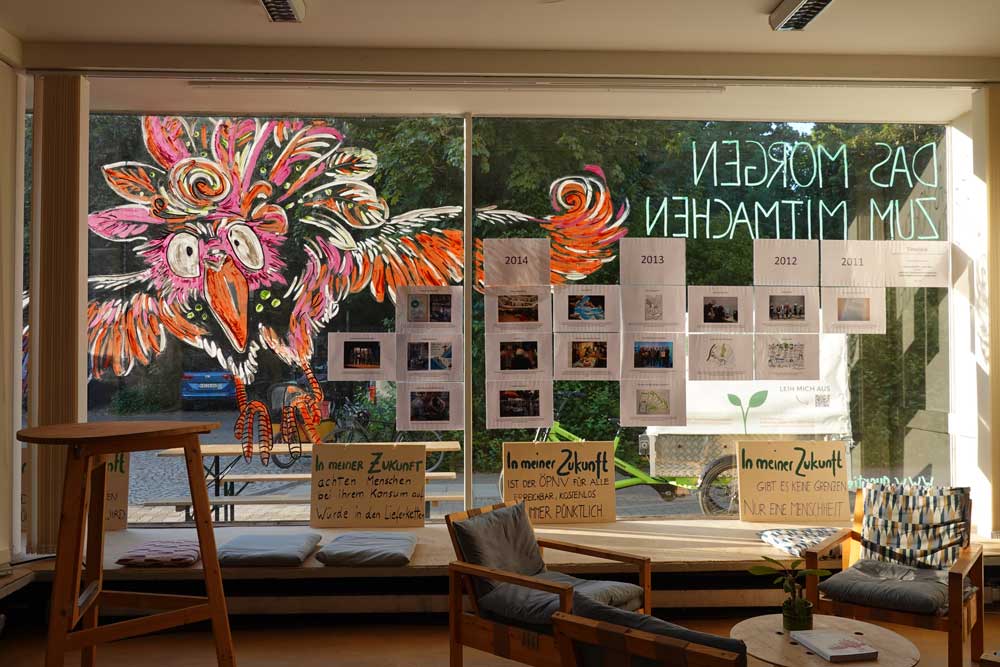
The real-world laboratory investigates together with residents of Karlsruhe's Oststadt district how to make an urban neighborhood more sustainable and environmentally responsible. It focuses on the question of how people can live well in the city while caring for fellow beings, environment, and future generations.
More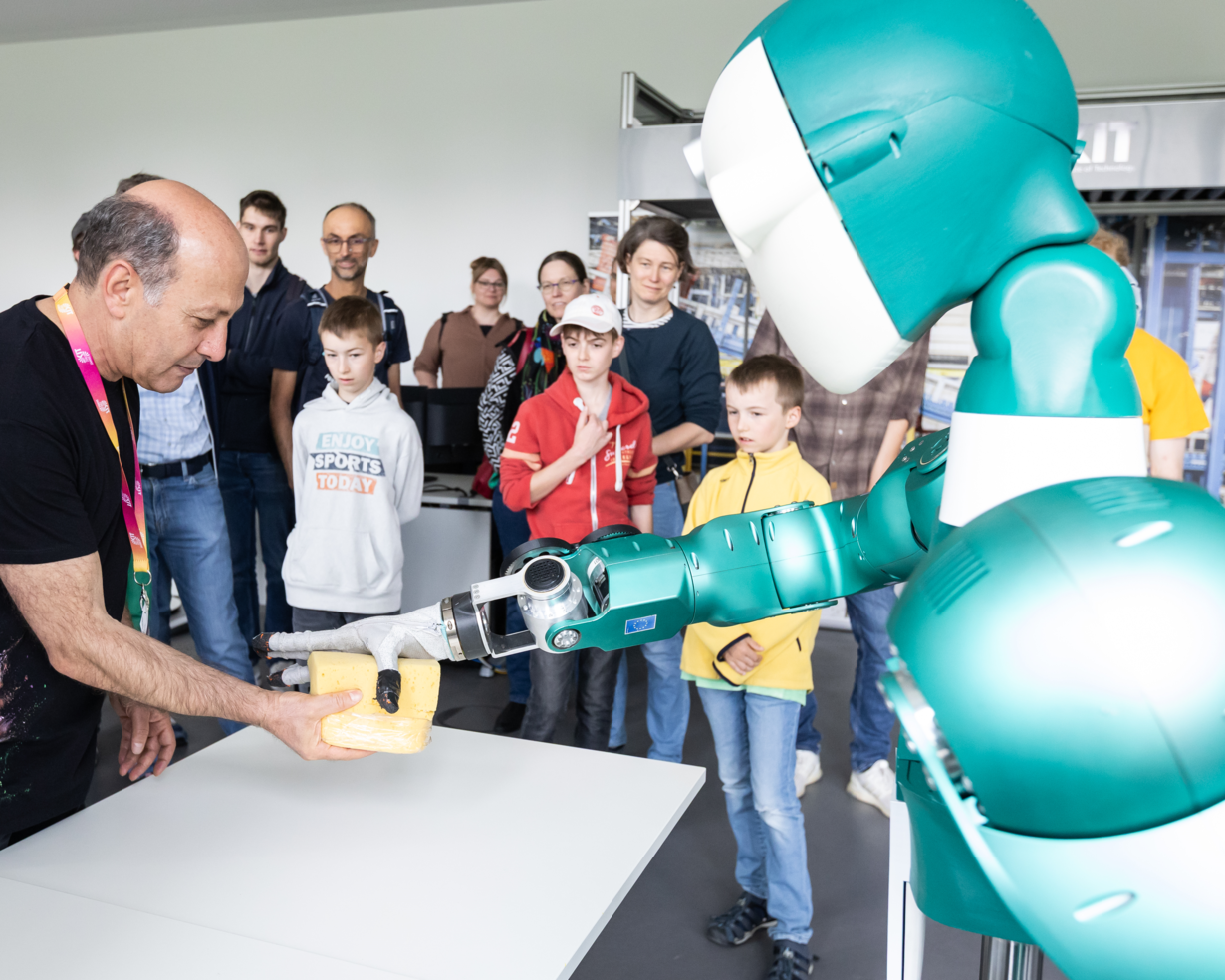
The goal of the Robotic AI real-world laboratory is to experience artificial intelligence through diverse experiments in different real-world environments, such as in daycare centers, schools, museums, libraries, or hospitals. Humanoid robots – that is, human-like robots – help make artificial intelligence tangible in physical form.
More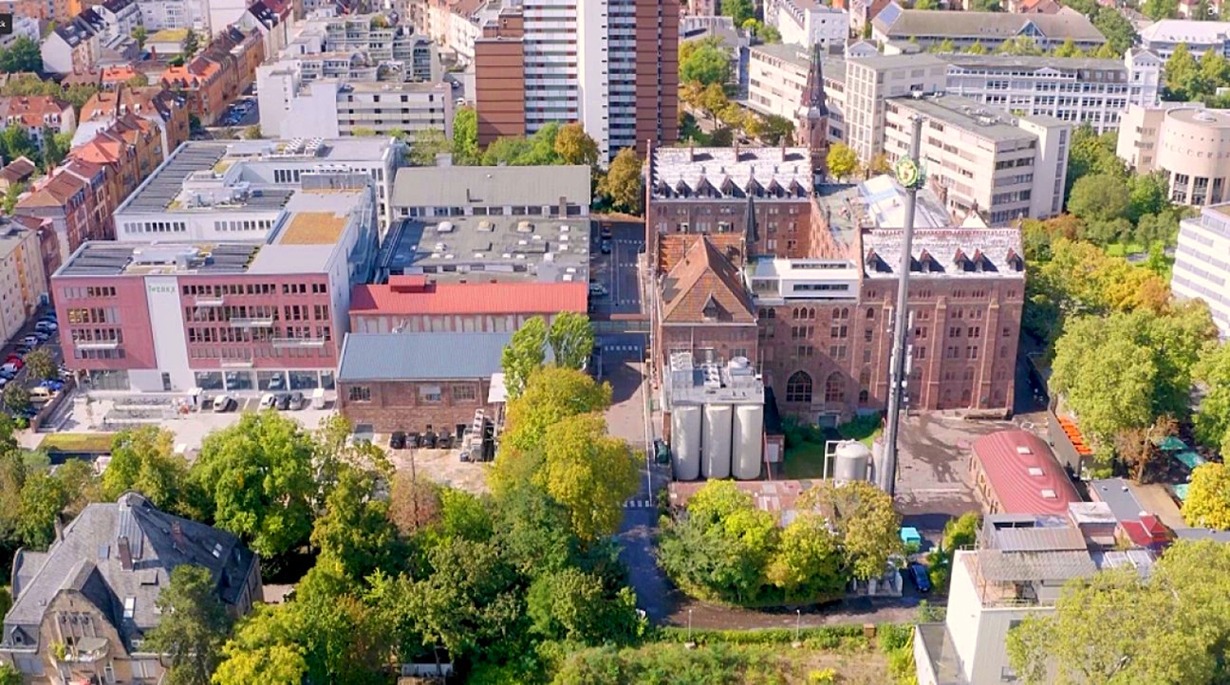
Smart East is transforming Karlsruhe's Oststadt commercial district into an energy-efficient and climate-friendly neighborhood. From digitizing energy management to developing more sustainable business models for the energy sector, the Smart East real-world laboratory tests and implements solutions for an economically viable energy transition.
More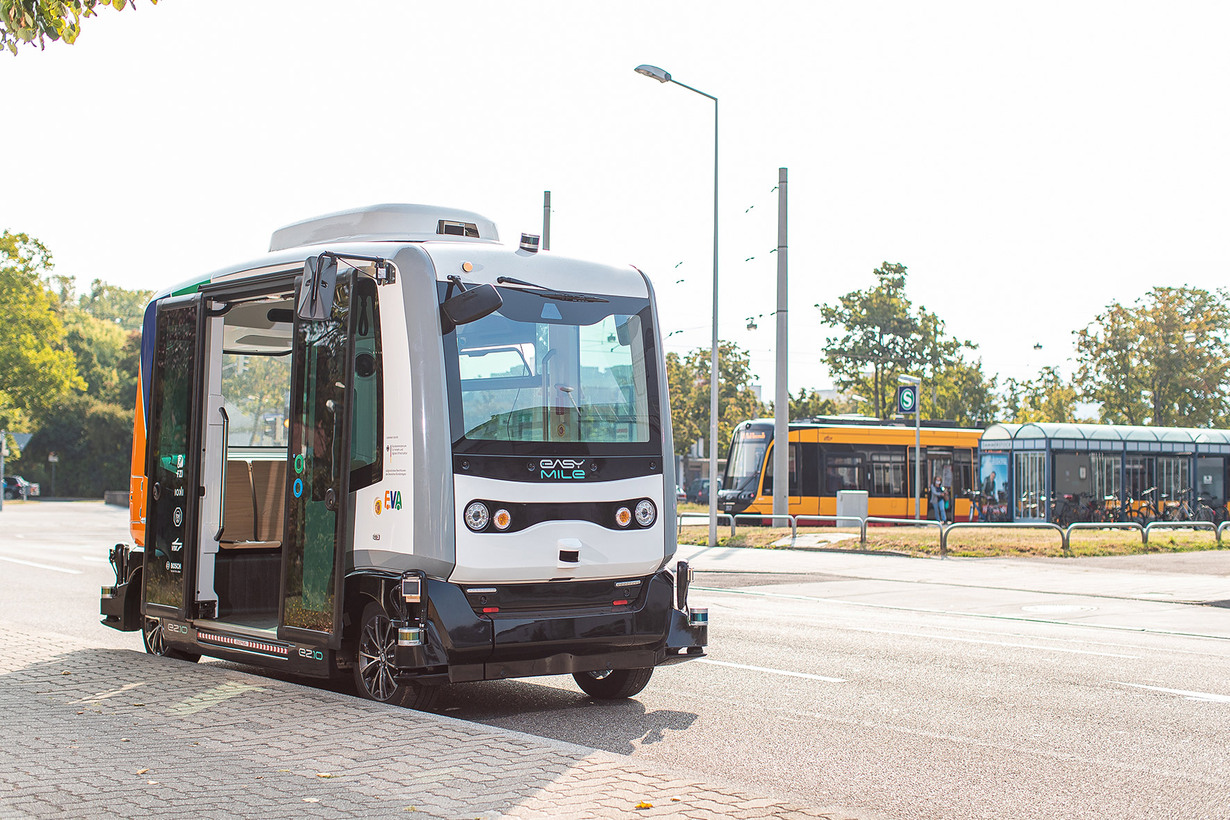
Autonomous driving plays an important role in sustainable and innovative mobility futures. At the Test Field for Autonomous Driving Baden-Württemberg (TAF BW), companies and research institutions can test future-oriented technologies and services related to connected and automated driving in road traffic.
More
The goal of the ERNIE real-world laboratory (real-time decisions under risky non-knowledge in impact prediction of extreme events) is to predict and analyze the effects of short-term extreme events as well as slow climate changes in interaction with society, the economy, and the environment in urban spaces. ERNIE is scheduled to start in 2026.
MoreCompleted Real-world Laboratories
Rabus
Within the real-world lab for automated bus operations in urban and rural public transport (RABus), automated shuttle services had been tested in real-world conditions on public roads. By the project's end, over 1,600 participants were transported on more than 430 test rides – in total, the shuttles covered around 2,100 kilometers.
ROUTINE
Digital health applications promise significant improvements to the healthcare system. However, testing new products under real-world conditions is heavily regulated and hardly feasible, particularly for AI-based applications. The real-world lab for the transfer of digital health applications and AI into healthcare (ROUTINE) aimed to create framework conditions for the successful application of AI in healthcare.
Tiny House
In collaboration with the Friedrich-Weinbrenner Vocational School in Freiburg, the KIT Department of Architecture designed and built a tiny house that accommodates up to four people. Its sustainable design enables waste-free deconstruction and minimizes the use of environmentally harmful materials.