
How can we make our cities fit for the future, tackle climate change, or test new forms of mobility? How do new technologies influence our daily lives? Such questions cannot be answered by science alone – neither at the desk nor in a traditional laboratory. It requires bringing together the knowledge and experience of researchers with relevant actors from society, who equally contribute their expertise. Real-world laboratories are therefore places where science and society come together to test and further develop solutions jointly in everyday life. They are not traditional research laboratories, but real environments – neighborhoods, regions, or organizations – where people learn together, experiment, and forge new paths.
What makes real-world laboratories special: research is "thought differently." Researchers here don't just work for society, but with it. Citizens, businesses, municipalities, and other stakeholders contribute their perspectives. This creates innovations that are not only scientifically sound, but also socially viable – and contribute to the common good.
At KIT, real-world laboratories are an important building block for sustainability research and societal transformation. They enable practice-oriented insights that complement traditional research and create spaces for dialogue and co-creation. The goal: solutions that work – and make the future worth living.
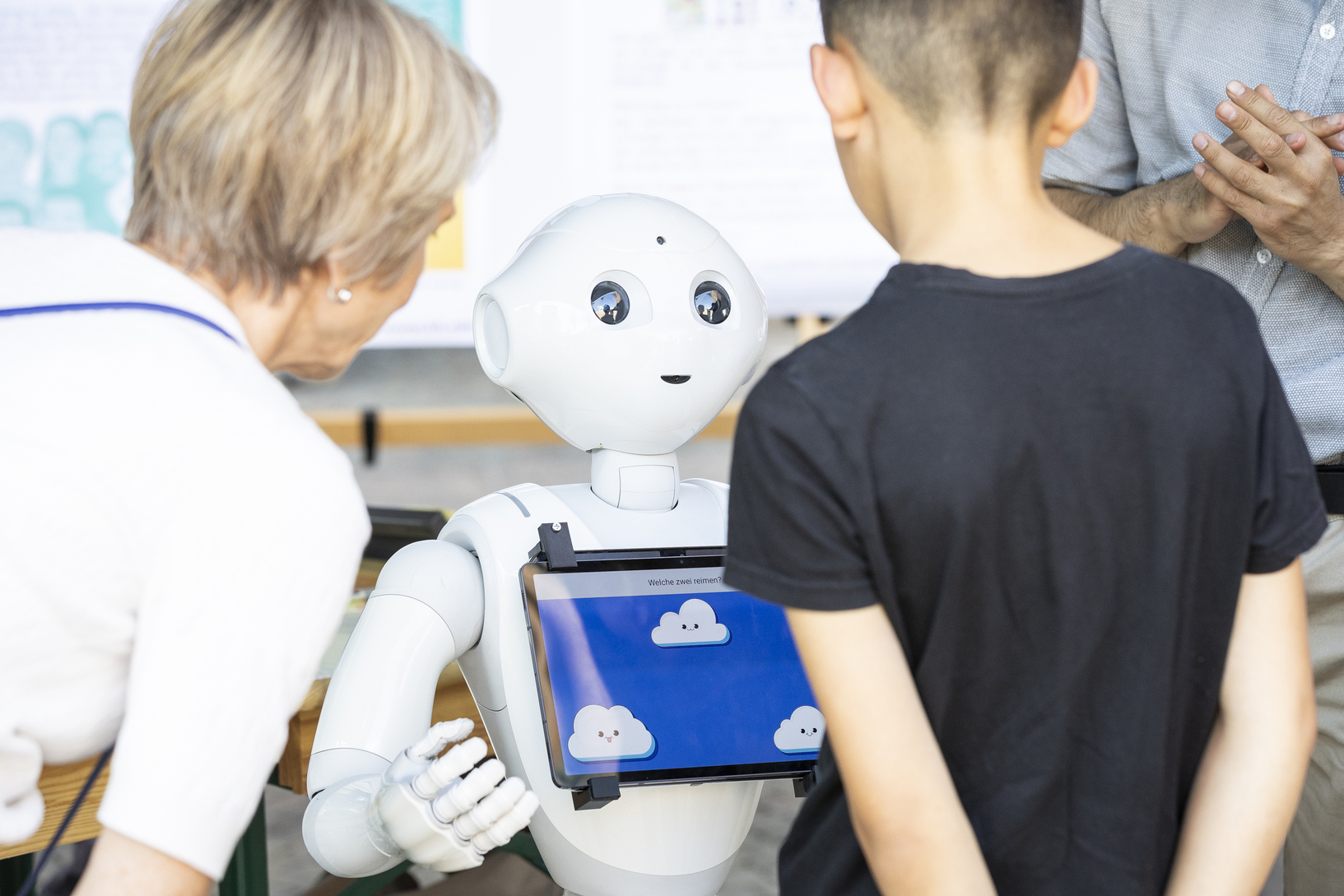
In short: Real-world laboratories are places of experimentation – neighborhoods, regions, or organizations – where science and society jointly develop new solutions. Unlike traditional laboratories, they take place in the midst of everyday life and connect research with practice.
Real-world laboratory research at KIT
KIT is committed to real-world laboratories to advance sustainable innovations. Here, insights are generated that are not only theoretical but practically effective. In this way, KIT actively contributes to societal transformation.
Real-world laboratories have become almost a tradition in Baden-Württemberg. In Karlsruhe too, Quartier Zukunft in Karlsruhe Oststadt has been an established part of the city for over 10 years. This is where KIT's Excellence Initiative comes in: As a central pillar in KIT's program, real-world laboratory research at KIT is to be strengthened and actively developed further in order to contribute to excellent research across KIT's diverse thematic fields.
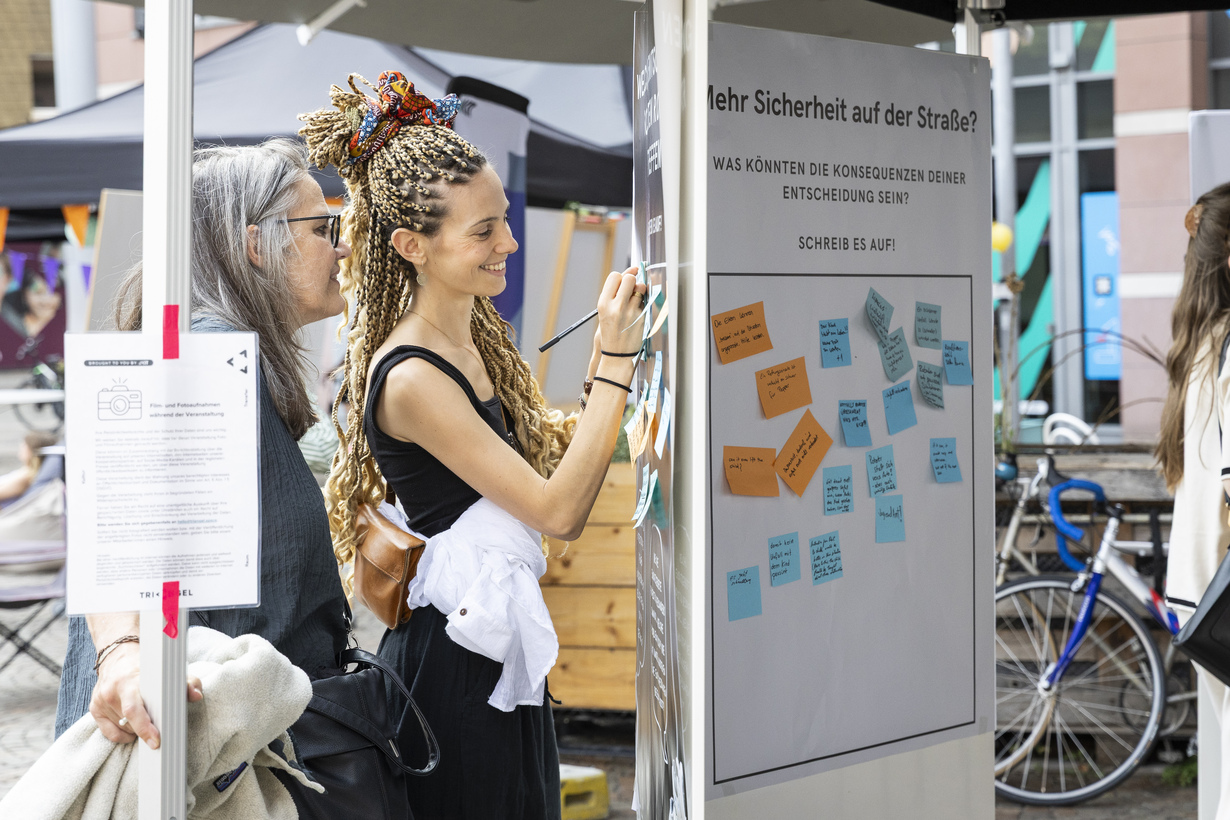
This happens, on the one hand, very concretely in thematically focused real-world laboratories, whose range extends from energy topics to accessibility, sustainable mobility, sustainable neighborhood development, and robotic AI. A Real-World Laboratory Festival makes this entire diversity visible and tangible once a year for everyone at KIT as well as the citizens of Karlsruhe.
On the other hand, KIT researchers are making key contributions to the advancement of real-world laboratory research at a higher level: How can we further enhance the impact of these and similar research settings and ensure that research has an impact at this level? What infrastructure does real-world laboratory research need? What might real-world laboratories look like where technological innovation is the focus? And how do we measure the quality of insights from such initiatives?
... we are creating a central hub for real-world laboratory research at KIT.
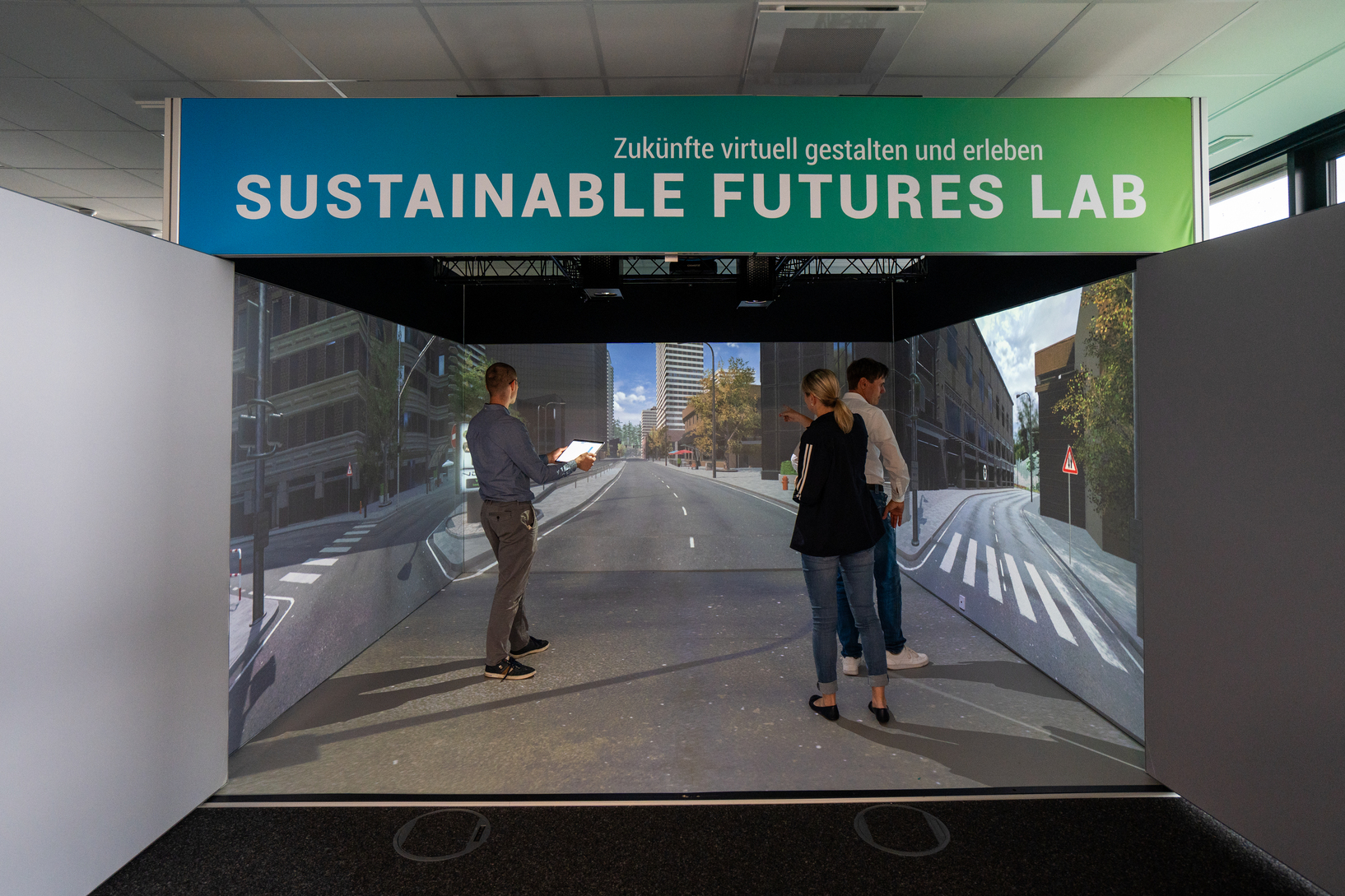
We are giving real-world laboratory research and transdisciplinary research space – figuratively speaking, but also very concretely. In the heart of the city yet close to campus, a place is being created over the coming months that will bring researchers together, provide information about real-world laboratory research at KIT, and offer access to one of our new research infrastructures: the Sustainable Futures Lab, a digital simulation and visualization environment that makes it possible to experience futures virtually as well.
... we network and train real-world laboratory researchers and those who want to become them.
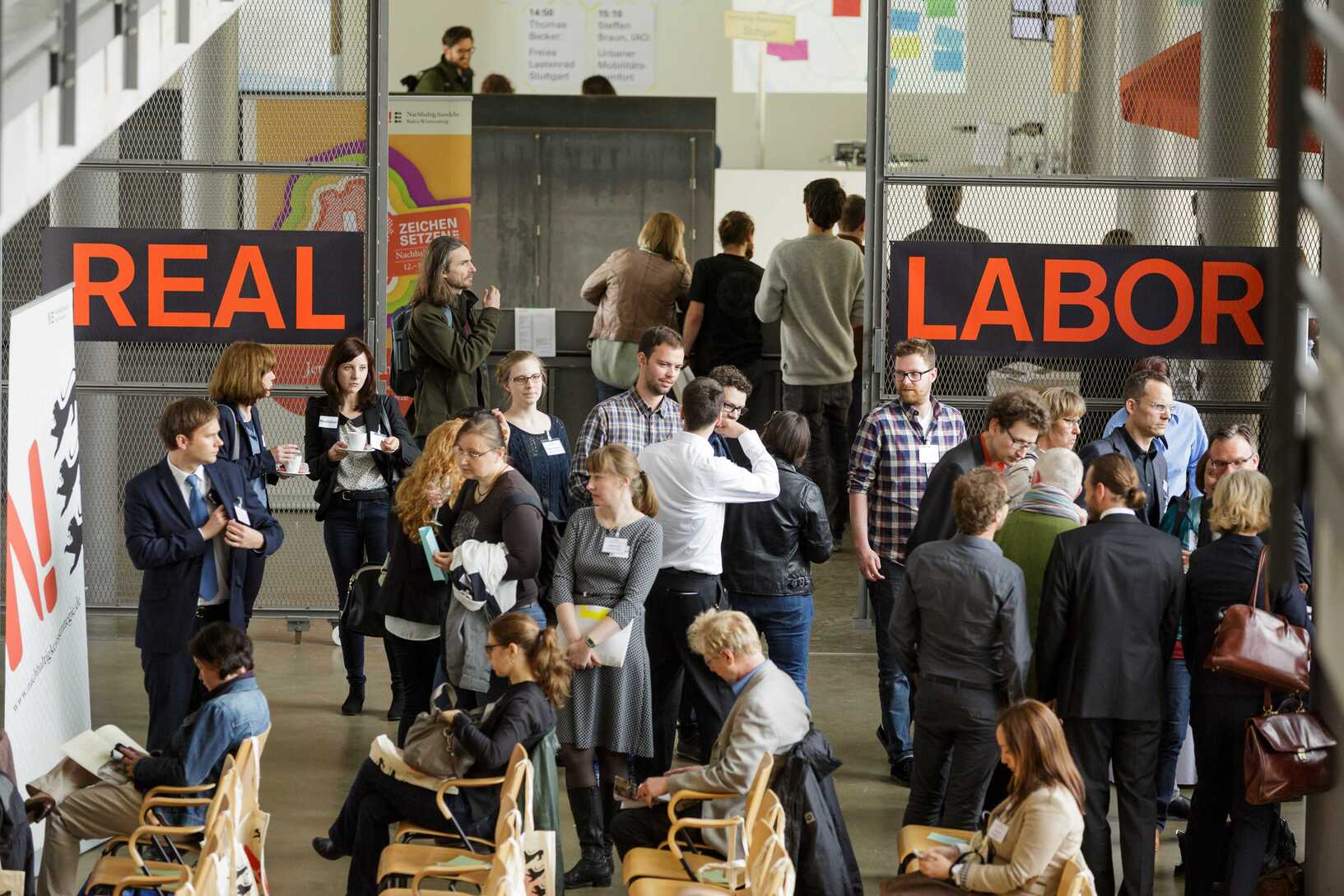
The annual Real-World Laboratory Festival makes real-world laboratory research at KIT tangible for everyone and brings together the various stakeholders at KIT. In addition, real-world laboratory research is increasingly being integrated into project-based and research-based teaching. Capacity-building workshops and other training formats are being developed to optimally prepare researchers, students, and actors at the interface of science and society for this type of research work. KIT researchers work closely with other research institutes engaged in real-world laboratory research and are actively involved in relevant networks (including the Real-World Laboratories for Sustainability Network and the Society for Transdisciplinary and Participatory Research, GTPF). At the international level, sustainable partnerships are being established with researchers that will make it possible in the future to systematically document case studies globally and learn from each other through international exchange about what conditions enable successful sustainable solutions.
... we are working with a number of KIT researchers on the further development of real-world laboratory research at and for KIT.
A current focus of our work is on the topic of research infrastructures: Every laboratory has spaces, machines, perhaps test tubes. What about real-world laboratories? Here too, it is essential that researchers and their practice partners find reliable structures for their collaborative work over the long term. But what exactly do they need? To make this more tangible and structured, we are working on a systematic representation of infrastructures in real-world laboratory settings and the benefits they respectively provide.
In parallel, we are documenting existing infrastructures at KIT that could also connect to real-world laboratory research projects, and systematically surveying at the international level which infrastructures can contribute to the success of real-world laboratory research.
Real-world laboratories thrive on exchange. Whether you're a citizen, business, or municipality – your ideas are needed! Find out about participation opportunities or contact our teams.