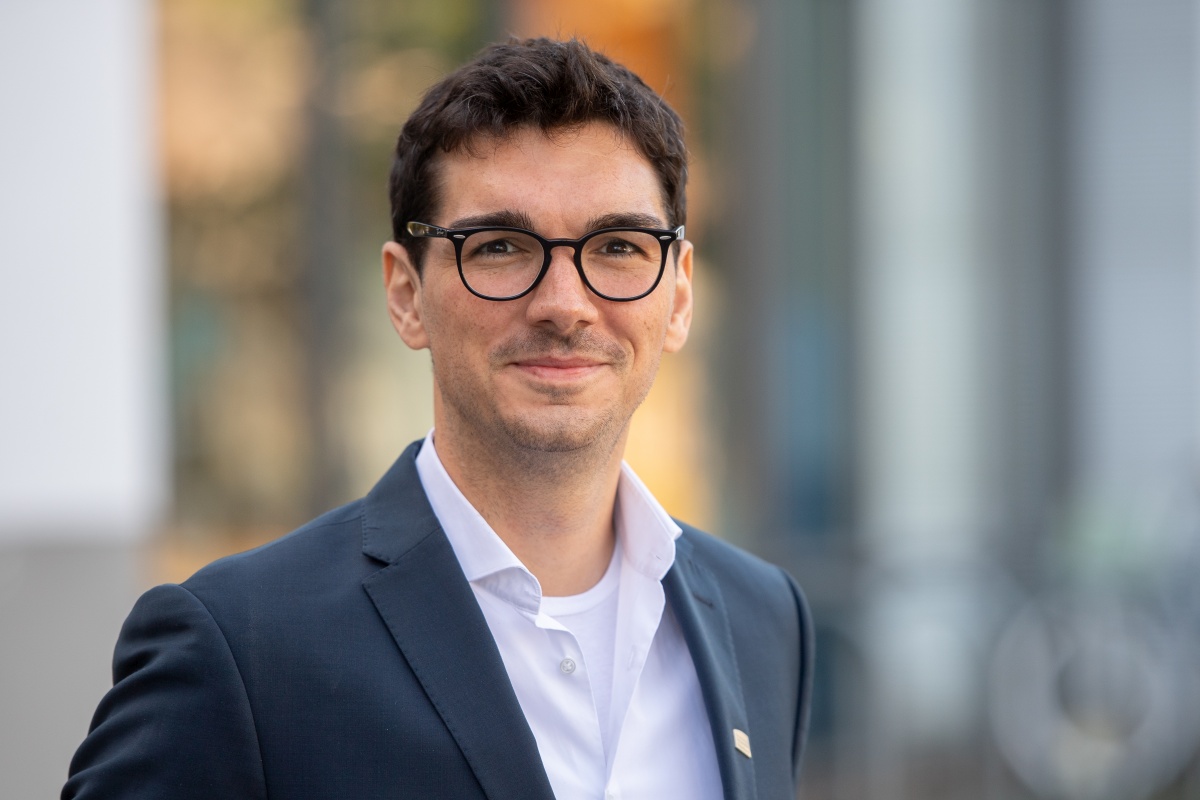
Laurence Hardwick is University Professor of KIT for „Electrochemistry“ at the Helmholtz-Institute Ulm (Division I).
His research focuses on understanding real-time interface processes in batteries, a crucial step in improving energy storage solutions to meet net zero targets. At KIT he will be working on integrating automation platforms into electrochemical methods for accelerating electrochemical cell optimization through interface design and characterization, particularly focusing on beyond lithium battery technologies. He studied Chemistry at the University of Southampton (UK) and completed his PhD in Chemistry at ETH (Switzerland), followed by postdoctoral positions in the USA and Scotland. Before coming to KIT, he was Professor of Electrochemistry and leading the Stephenson Institute of Renewable Energy at the University of Liverpool (UK).
What he is particularly looking forward to at KIT: Collaborating with the broad range of interdisciplinary expertise at KIT to enable a self-driving-lab to accelerate future battery technology development.
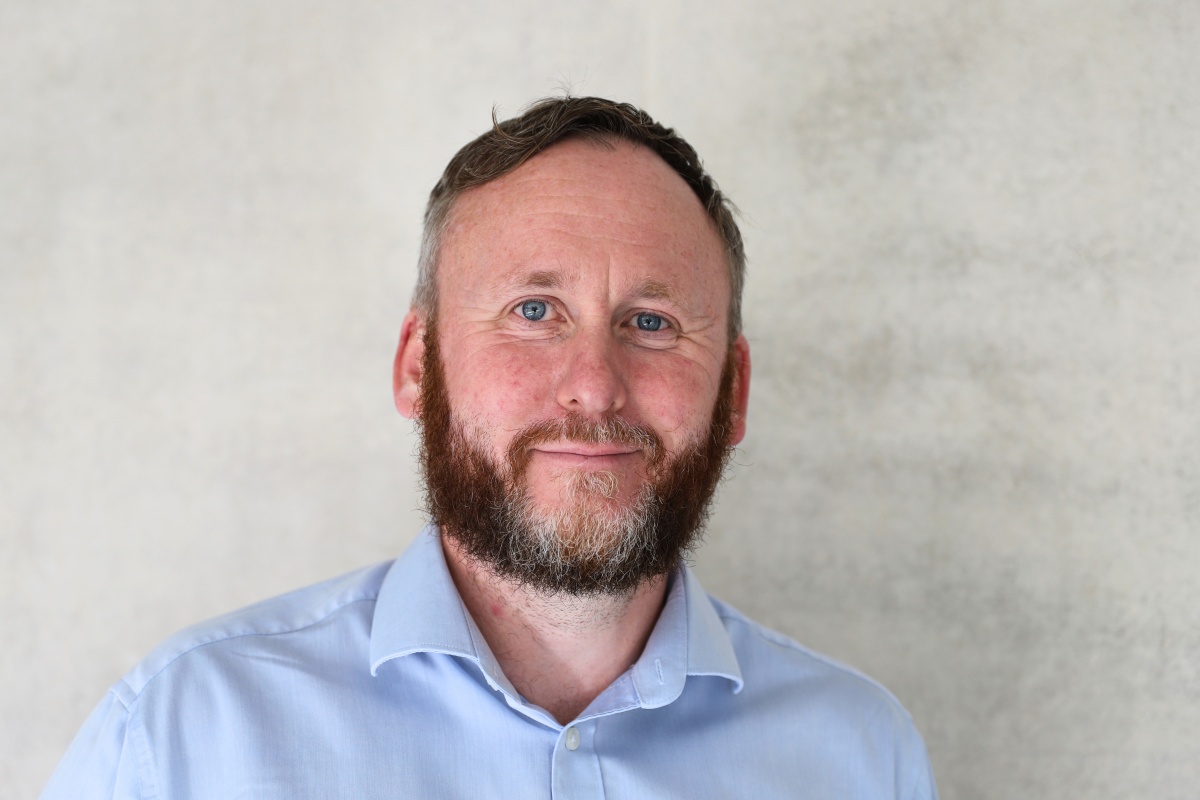
Raphaela Vogel is University Professor of KIT for „Experimental Meteorology“ at the Institute of Meteorology and Climate Research (Division IV).
Her research combines observations, high-resolution simulations and conceptual models to better understand the role of clouds and convective processes on weather and climate. One focus of her work lies in the collection and use of observations over the subtropical oceans to constrain the impact of rain evaporation on the amount and spatial organization of cumulus clouds. At KIT she will extend this work to midlatitude and land-based convection. Raphaela Vogel studied Environmental Sciences at ETH Zurich and obtained her PhD from the Max Planck Institute for Meteorology in Hamburg. After a postdoc at the Laboratoire de Météorologie Dynamique in Paris, she returned to the University of Hamburg and became a tenure-track professor in 2024.
What she is particularly looking forward to at KIT: To develop promising ideas with the new colleagues for exciting field campaigns with the excellent KITcube infrastructure in order to better assess the impact of clouds on climate and extreme weather events.
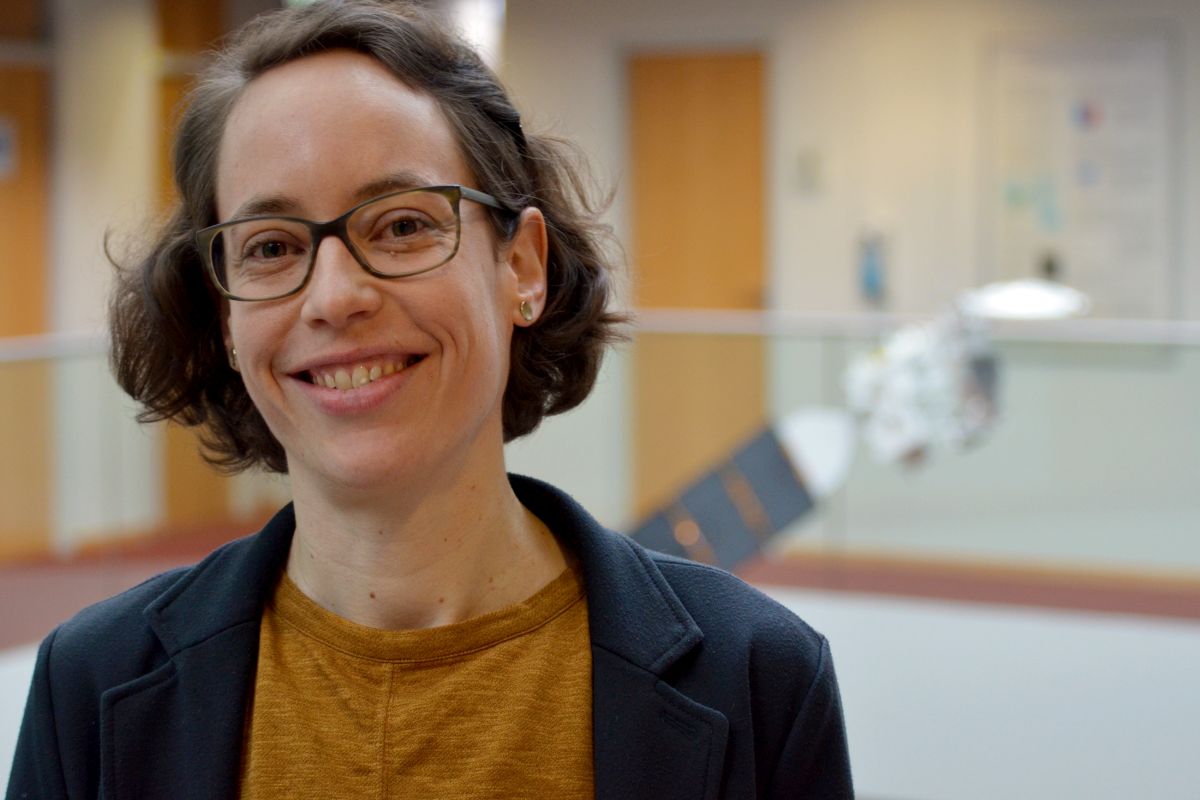
Jakob Edler is University Professor of KIT for „Governance of transformative Innovation“ at the Institute of Technology Futures (Division 2).
He analyzes and develops approaches to governance and policy in science and innovation, most recently with a growing emphasis on transformations. In recent years, his work has focused primarily on the conceptualization of technological sovereignty, demand-side innovation policy, and the role of the state in steering transformations in general. The impact of science and scientific advice on policymaking is also among his areas of interest.
In addition to his professorship at KIT, Edler is Director of the Fraunhofer Institute for Systems and Innovation Research (ISI), as well as Professor at the Manchester Institute of Innovation Research (UK). He is also Chair of the Fraunhofer Innovation Research Network. In addition, he is a member of several high-profile committees in Germany and abroad, including the German Science and Humanities Council, ACATECH, and the Royal Society for the Encouragement of Arts, Manufactures and Commerce. Edler studied and earned his Ph.D. at the University of Mannheim.
What he is particularly looking forward to at KIT: Contributing his interdisciplinary expertise at the interface between application-oriented research and international collaboration, particularly with the United Kingdom, to KIT. KIT is a globally renowned university that, while maintaining a technical focus, adopts a holistic approach, both across disciplines and beyond the ivory tower: excellence with relevance.
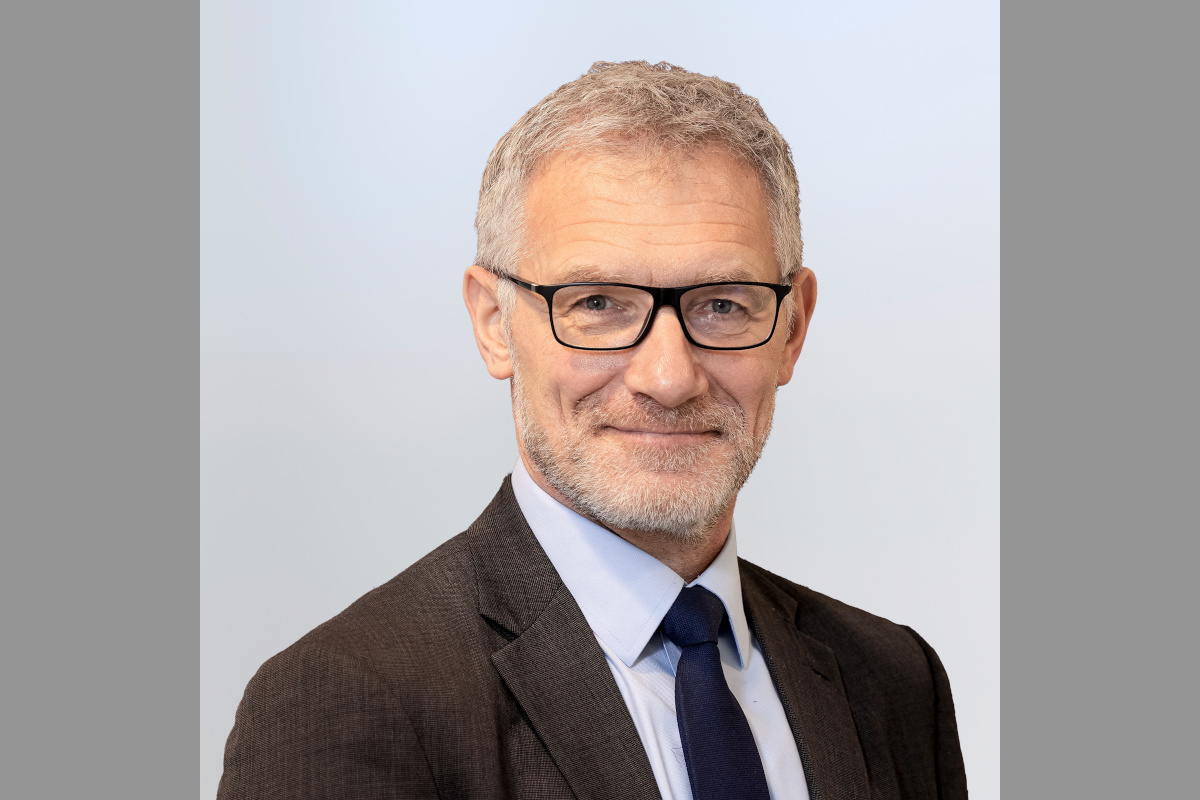
Daniel Sloot is Tenure-Track-Professor of KIT for „Transformative Energy System Analysis“ at the Institute for Technology Assessment and Systems Analysis (Division II).
He conducts research on the behavior of consumers and citizens in the context of the energy transition. The goal is to gain a better understanding of how energy systems and decarbonization measures are perceived and accepted. He uses quantitative empirical methods such as experiments, surveys, and field studies to model relevant decision-making determinants, such as motivations and attitudes. After studying social and organizational psychology in Germany and the UK, he earned his Ph.D. in environmental psychology at the University of Groningen (Netherlands), focusing on environmental and energy behavior in groups. He then conducted research as a postdoctoral researcher at the Chair of Energy Economics at KIT and as group leader of the Energy and Behavior research group.
What he finds particularly exciting at KIT: The transdisciplinary research environment at KIT brings together many different perspectives and opens up exciting opportunities for collaboration.
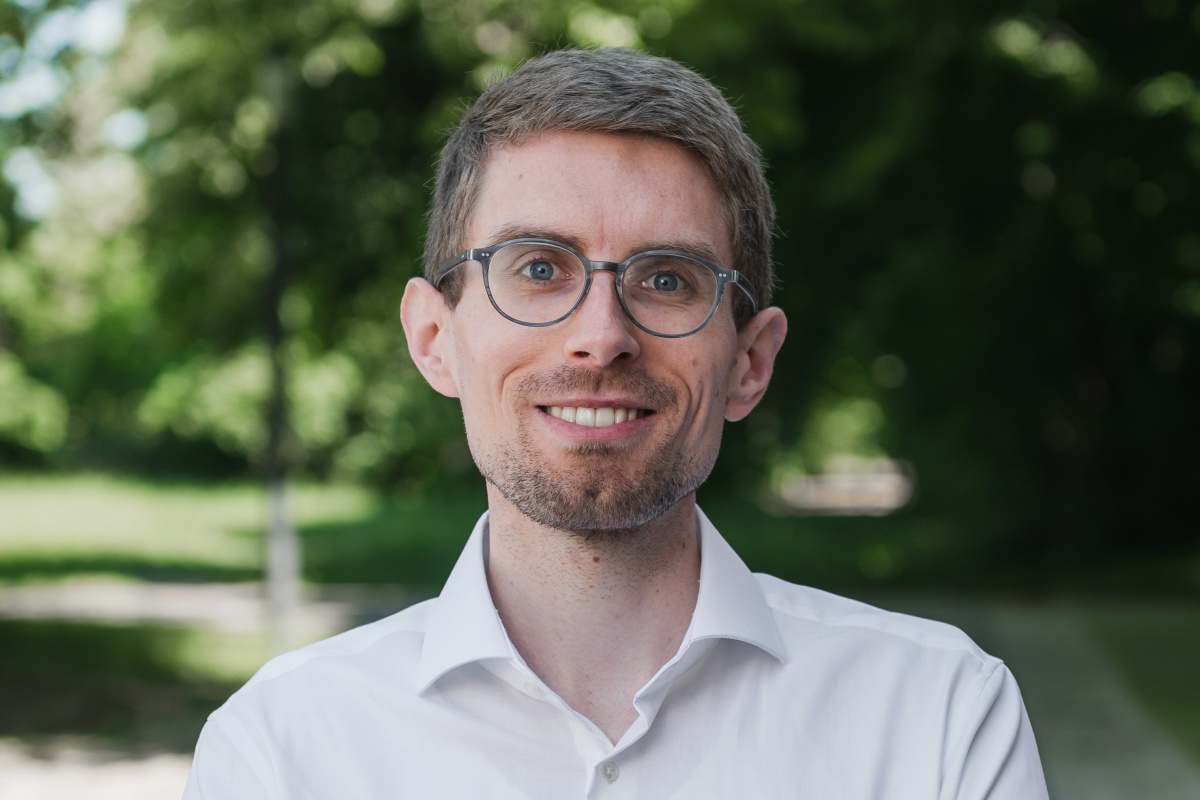
Debora Gasperini is a University Professor of KIT for „Applied plant sciences “ at the Joseph Gottlieb Kölreuter Institute for Plant Sciences (Division I).
She studied Biology and Functional Genomics in Trieste (Italy) before completing her PhD in Crop Genetics at the John Innes Centre (Norwich, UK). After a post-doc position at the University of Lausanne (Switzerland), she established her research group at the Leibniz Institute of Plant Biochemistry in Halle (Germany), where she was awarded an ERC Consolidator Grant. Her research tackles a fundamental challenge in plant science: how plants translate environmental information into molecular mechanisms that enable acclimation. By uncovering how plants sense, transmit, and integrate stress signals into their development, her team aims not only to understand fundamental processes, but to provide opportunities to harness them. The long-term goal is to rethink crop design, making plants more resilient and prepared for the demands of a rapidly changing world.
What she finds particularly exciting at KIT: KIT’s strong commitment to excellence, innovation, and research that translates into concrete benefits for society.

Andreas Sattler is University Professor of KIT for „Law and Computer Science“ at the Institute for Information and Economic Law (Division II).
He specializes in IT and IP law and has extensive experience in these fields, both as an academic as well as an attorney: He studied law and economics in Bayreuth and Nottingham, earned his doctorate with special honors in the DFG Research Training Group “Intellectual Property and the Public Domain,” and completed his habilitation at LMU Munich. After a fellowship at the Weizenbaum Institute, he worked at the University of Freiburg and Humboldt University of Berlin, as well as at KIT. Since 2019, he has headed the Center for Intellectual Property Law, Information, and Technology (CIPLITEC). At KIT, his interdisciplinary research now focuses on private law issues arising from the digitalization of the economy and society. His research focuses on data and information law, the law of IT-based systems, and intellectual property law (patent, copyright, and trademark law).
What he finds particularly exciting at KIT: The focus on the development and shaping of technological progress and the opportunity as a lawyer to participate in interdisciplinary dialogue.
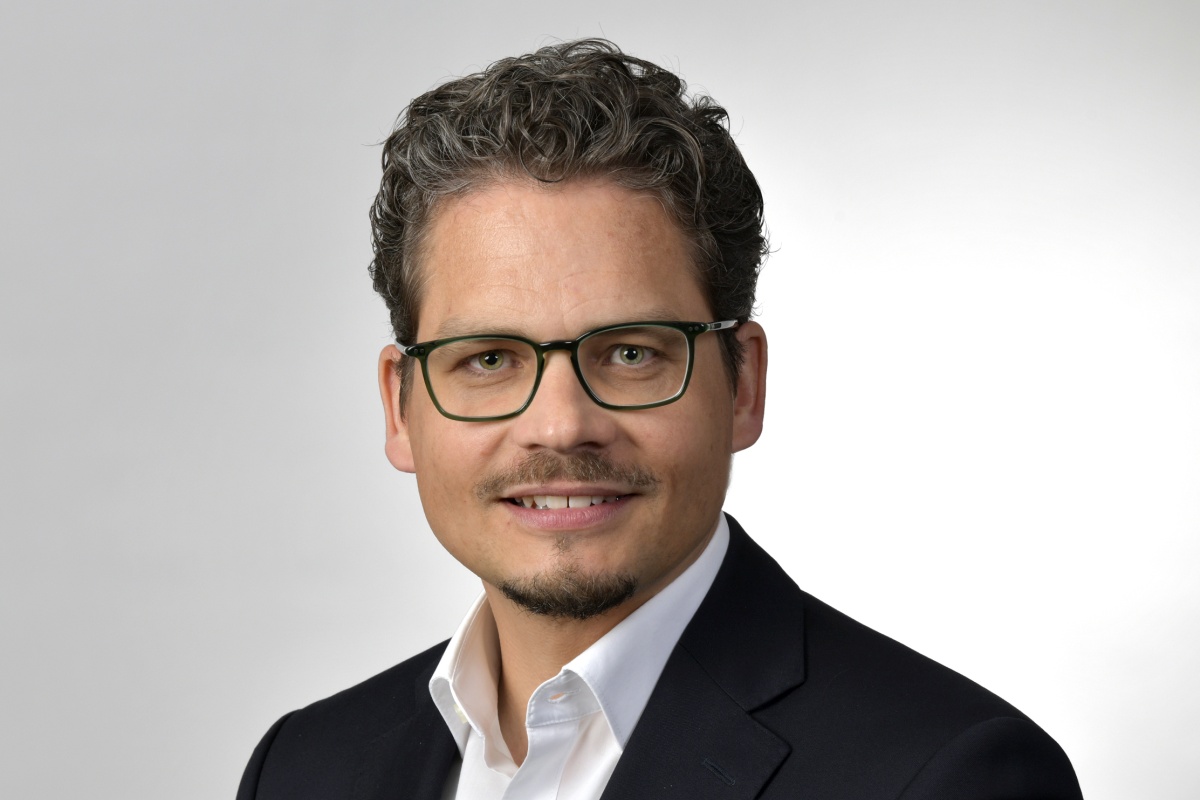
Nadine Fleischhut is University Professor of KIT for „Decision making under high risk and high uncertainty“ at the Institute for Technology Assessment and Systems Analysis (Division II).
Nadine Fleischhut studies how people make decisions under uncertainty, with a focus on extreme weather and climate risks. Her research aims to cover the full cycle from understanding decision contexts to developing and testing tailored risk communications and interventions that promote informed choices and behavioral change. She draws on a range of methods, ranging from representative online experiments to crowdsourcing and field studies. With a philosophy background and experience in science journalism, she earned her Ph.D. in psychology from Humboldt University of Berlin in 2013. Since then, she has conducted research at the Max Planck Institute for Human Development and collaborated with stakeholders from the public and private sectors, including long-term cooperation with the German Meteorological Service.
What she is particularly looking forward to at KIT: Working across behavioral and technical sciences in a transdisciplinary setting to address societal challenges in times of a changing climate

Marco Lorenz is University Professor of KIT for „Thermal Turbomachinery“ and Head of the Institute of Thermal Turbomachinery (Division III).
After studying mechanical engineering at the universities of Karlsruhe and Lund (Sweden), Marco Lorenz earned his Ph.D. in 2013 at KIT in the field of thermal turbomachinery, specializing in heat transfer and cooling. He subsequently held various positions at Mahle Behr and later at Robert Bosch GmbH, where he was responsible for technical leadership and project management related to thermal management for hybrid-electric vehicles and their drive components. During this time, he taught courses on energy and thermal management in modern drive systems. Most recently, as a project manager, he was responsible for coordinating interdisciplinary, global teams to develop an electric drive system for turbo compressors in fuel cell systems. Marco Lorenz is now applying his experience to advance the research on hybrid-electric aircraft propulsion systems and intelligent energy systems at KIT.
What he is particularly looking forward to at KIT: To conduct research on sustainable solutions for energy and aircraft propulsion in collaboration with colleagues, staff, and students from various disciplines, as well as partners in research and industry.
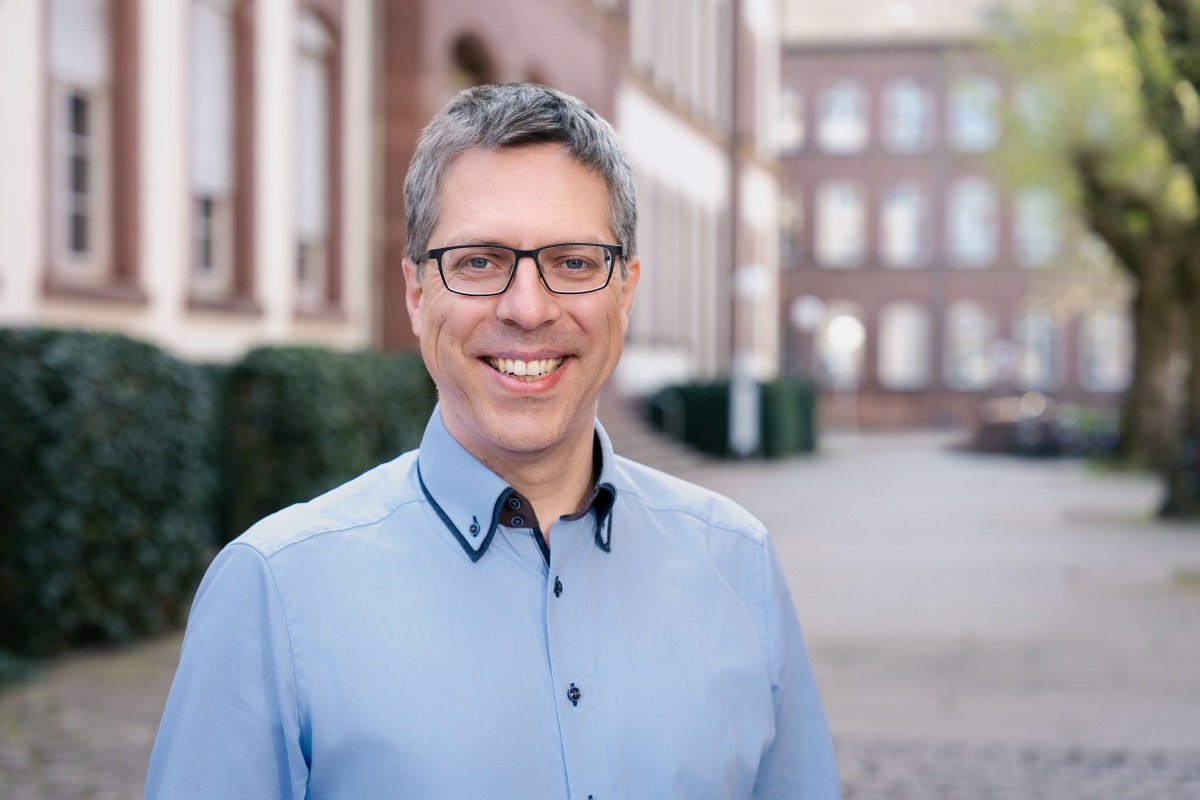
Maximilian Förster is a Tenure-Track-Professor of KIT and Head of the Research Group „Information Systems IV – Digital Platforms & Services“ at the Institute for Information Systems (Division II).
His research focuses on the reflective use of Artificial Intelligence (AI) and encompasses the development of reflective methods in AI (e.g., Explainable AI, Uncertainty-aware AI), social and economic value creation enabled by AI, and equiping individuals with the skills needed to thrive in the age of AI. After studing physics at the LMU Munich (Bachelors), Maximilian Förster studied physics and management (Masters) and earned his doctorate in the field of Information Systems at the University of Ulm. As a post-doctoral researcher there, he built among others a research group on Explainable AI.
What he finds particularly exciting at KIT: the clear focus of research on societal impact and the palpable enthusiasm of researchers to truly make a difference.
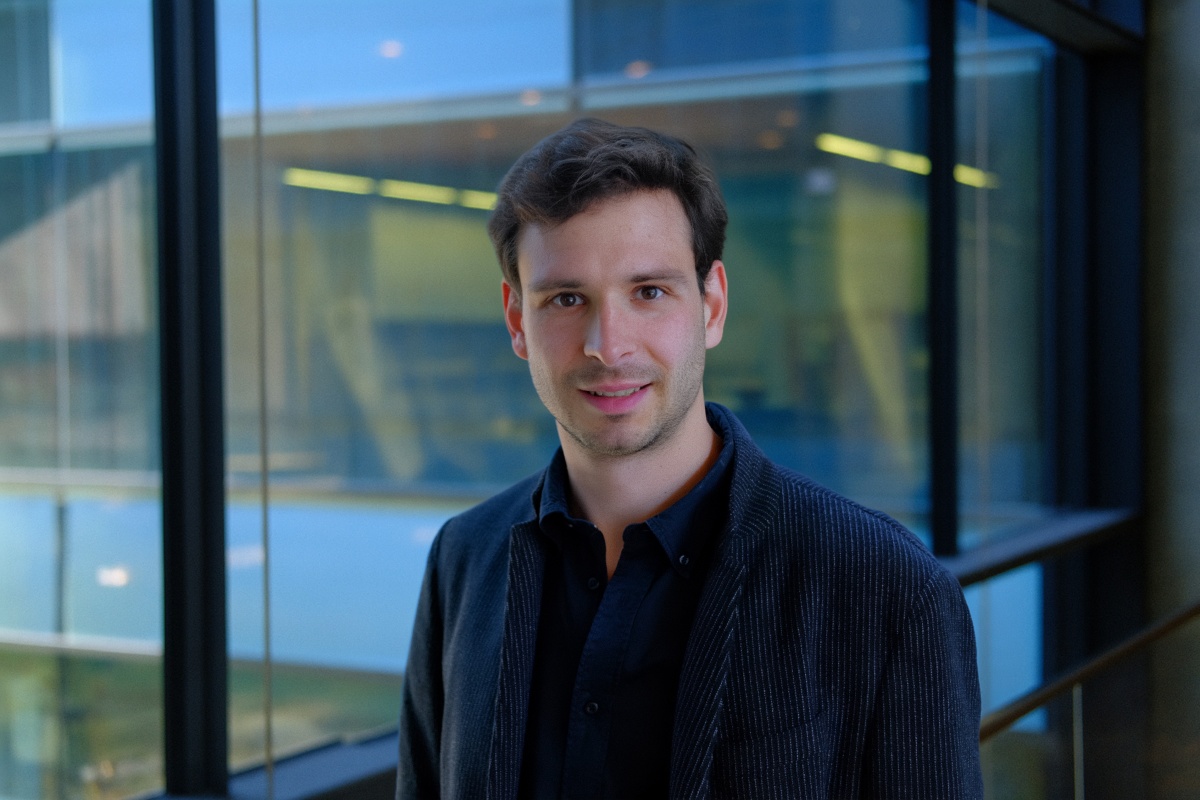
Kim V. Berghaus is Tenure-Track-Professor of KIT for "Theoretical Cosmology" at the Institute for Theoretical Physics (Division V).
She also leads a DFG Emmy Noether Research Group at the Institute for Astroparticle Physics. Her research connects particle physics beyond the Standard Model with cosmological observations, with a particular focus on cosmological periods of accelerated expansion. She received her PhD in 2020 from Johns Hopkins University and subsequently held postdoctoral positions at Stony Brook University and as a Sherman Fairchild Scholar at Caltech. Her work on warm inflation with the Standard Model was featured in late 2025 in high profiled journals. With her arrival at KIT, she returns to Germany after 15 years in the United States.
What she finds particularly exciting about KIT: The diverse research landscape at KIT, which combines broad expertise in experimental and theoretical particle and astroparticle physics, and its unique status as a University of Excellence within the Helmholtz Association.
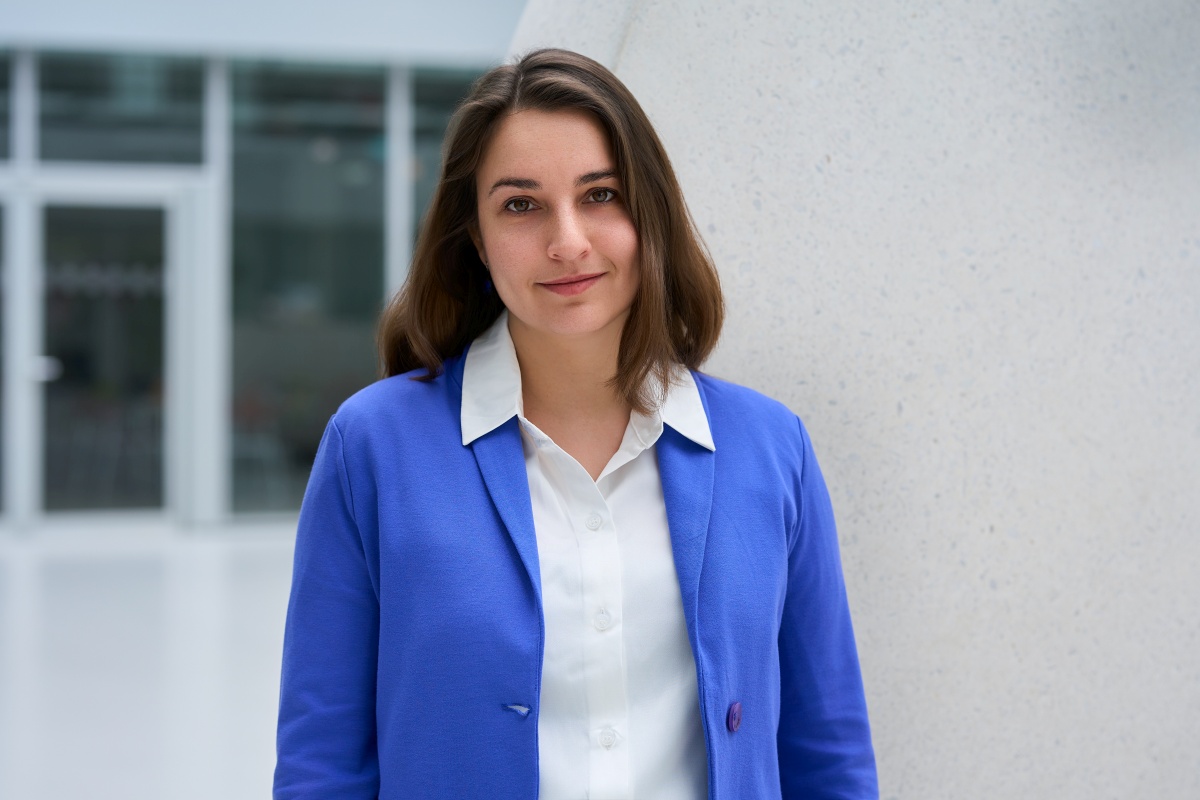
Moritz Dörstelmann is University Professor of KIT for „ Digital Design and Fabrication “ at the Institute for Building Design and Technology (Division IV).
Moritz Dörstelmann studied in Aachen and Vienna. From 2011 to 2017, as a research associate at the Institute for Computer-Based Design and Construction (ICD) at the University of Stuttgart, he developed digital design and manufacturing methods using full-scale research buildings. From 2017 onward, he continued researching digital building technologies at full scale as a visiting professor at the TU Munich. With the foundation of FibR GmbH, Moritz Dörstelmann has been enabling the technology transfer of his research into construction practice since 2017. The company realizes novel fiber-composite lightweight structures for load-bearing structures, facades and interior fittings. Since 2021, he has been conducting research as a Junior Professor of KIT on digital construction technologies for circular and sustainable building methods at the intersection of research and teaching. Dörstelmann has now been appointed as a University Professor of KIT.
What he finds particularly exciting at KIT:
KIT’s interdisciplinary and excellent research environment offers unique cooperation opportunities for architecture, civil engineering, computer science, robotics, and materials science in the socially relevant field of digital and sustainable construction.
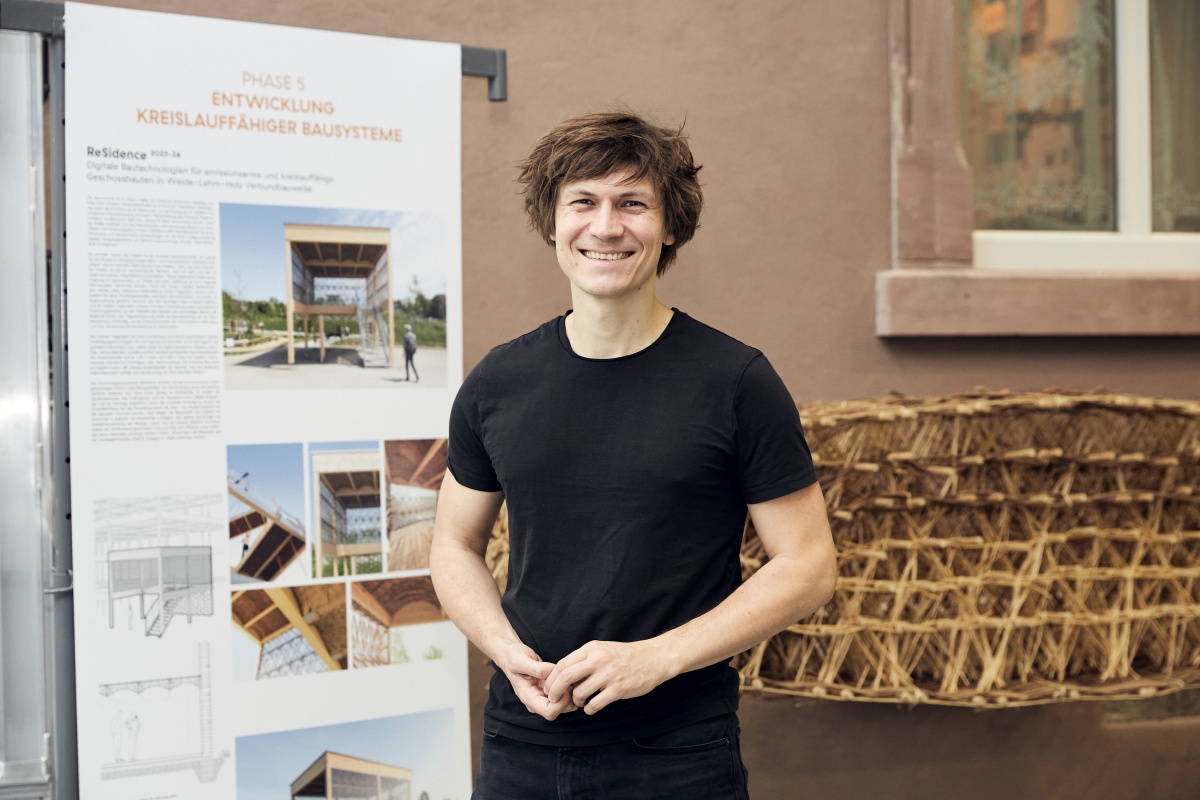
Michael Spannowsky is University Professor of KIT for „Theoretical Physics“ at the Institute of Theoretical Physics (Division V).
After studying physics in Tübingen, Michael Spannowsky earned his doctorate at the LMU Munich. This was followed by postdoctoral positions in Karlsruhe and at the University of Oregon. In 2011, he started at Durham University, first as a lecturer and later as a full professor. Since 2019, he has been in Durham director of the IPPP, the national center for particle phenomenology in the UK. His research combines three areas: theoretical particle physics, particularly Higgs and precision physics, effective field theories and new interactions; AI-assisted methods for analyzing complex data; and quantum computing–based algorithms for field theories, many-body systems, and simulations beyond classical computing methods.
What he finds particularly exciting at KIT: Excellent basic research is combined with strong methodological and technological expertise. The close connection between theoretical physics, AI, data science, and quantum research opens up new opportunities to address fundamental questions from very different perspectives and approaches.
What he is particularly looking forward to at KIT: The many open and friendly colleagues and the exchange across disciplinary boundaries. Such encounters often give rise to the best ideas. The fact that everyday academic life at KIT takes place between the South Campus and the North Campus also gives it a dynamic of its own. As a Swabian, one naturally has a particular affinity for such an invitation to efficient pathways and elegant solutions.
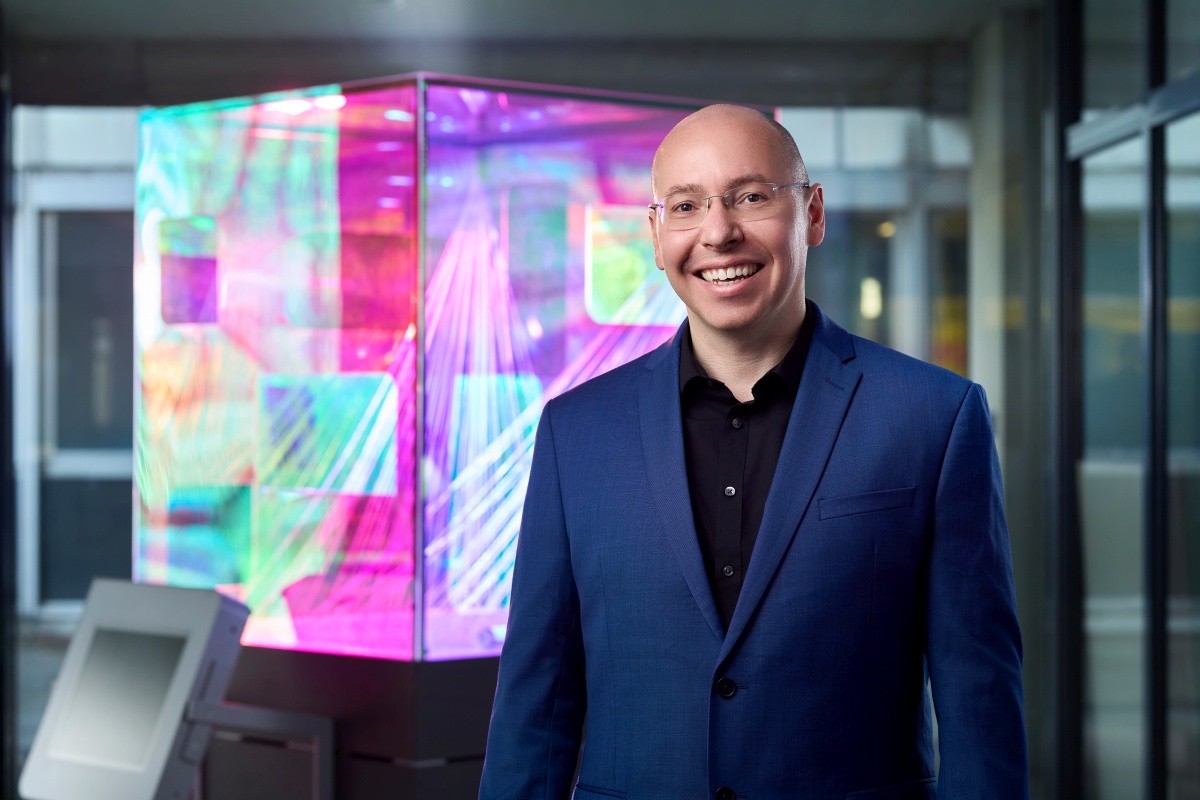
Zäzilia Seibold is a University Professor of KIT for “Intelligent Technical Logistics Systems“ at the Institute for Material Handling and Logistics (Bereich III). After completing her Franco-German double degree in Mechanical Engineering, she earned her doctorate at KIT in 2016 in the field of modular, decentralized material handling systems. Over the following nine years at Robert Bosch GmbH, she took on various leadership roles – ranging from the strategic development of company-wide logistics concepts to operational responsibility in plant logistics and the coordination of intralogistics process experts worldwide. She aims to build on this industry experience to further develop material handling and logistics as integrated, data-driven, and adaptive systems. Future logistics systems should be enabled to not only capture their environment, but also to understand structural relationships by linking available information with local intelligence and to derive actions autonomously.
What she is particularly looking forward to at KIT: Working together with colleagues, staff, and students to create new impulses at the interface between scientific research and industrial application.
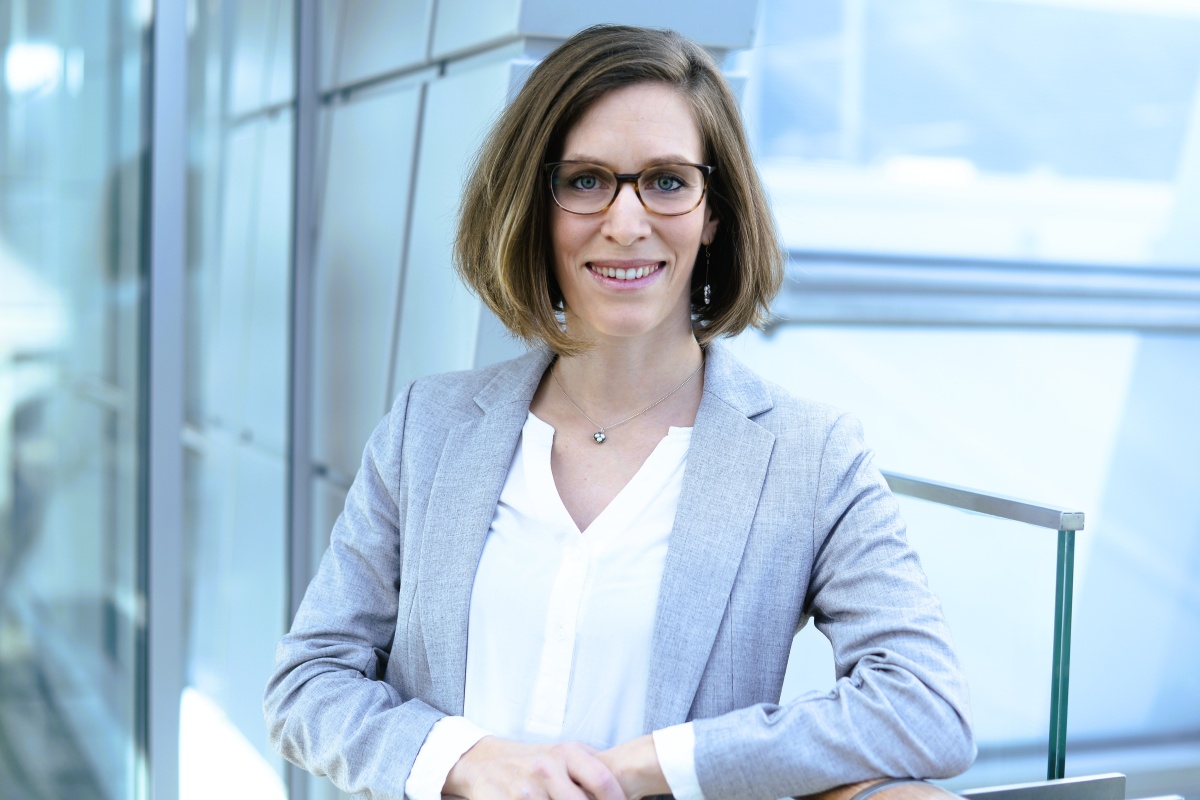
Philipp Staudt is a Junior Professor of KIT and Head of the Research Group „Information Systems II – Digital Energy“ at the Institute for Information Systems (Bereich II). He studied Industrial Engineering and Business Mathematics at KIT, where he also completed his PhD in Information Systems, focusing on the digitalization of energy systems. He subsequently led the Smart Grids & Energy Markets research group at KIT and conducted research as a Marie Skłodowska-Curie Postdoctoral Fellow at the Massachusetts Institute of Technology. From 2022 to 2026, he was Junior Professor of Information Systems at the Carl von Ossietzky University of Oldenburg. His research focuses on the digitalization of energy systems and its impact on markets and individuals, as well as the sustainable digitalization of organizations.
What he finds particularly exciting at KIT: The combination of technical expertise and economic scholarship at the Institute for Information Systems and the KIT Faculty of Economics and Business Engineering – and the dedicated students and doctoral researchers in Information Systems (and beyond).