
Maryna Meretska is Tenure-Track-Professor of KIT for Nanophotonics at the Institute of Nanotechnology (Division V).
Maryna Meretska received her Master's degree in Quantum Computing from Delft University of Technology in 2013. She received her doctoral degree from the University of Twente in 2018, where she worked with Philips Lighting (now Signify) on the development of white LED technologies. She received a Rubicon Fellowship to pursue her research ideas in Federico Capasso's group at Harvard University. In 2024, she received an Emmy-Noether grant to establish her research group at KIT. In 2025, she was promoted to a Junior Professor of KIT. Her group is developing passive and active metasurface technologies.
What she finds particularly exciting at KIT: Being a professor at KIT means working in a top-tier research environment where strong research infrastructure, excellent students, and close ties to industry make it possible to turn advanced ideas into real-world technologies.
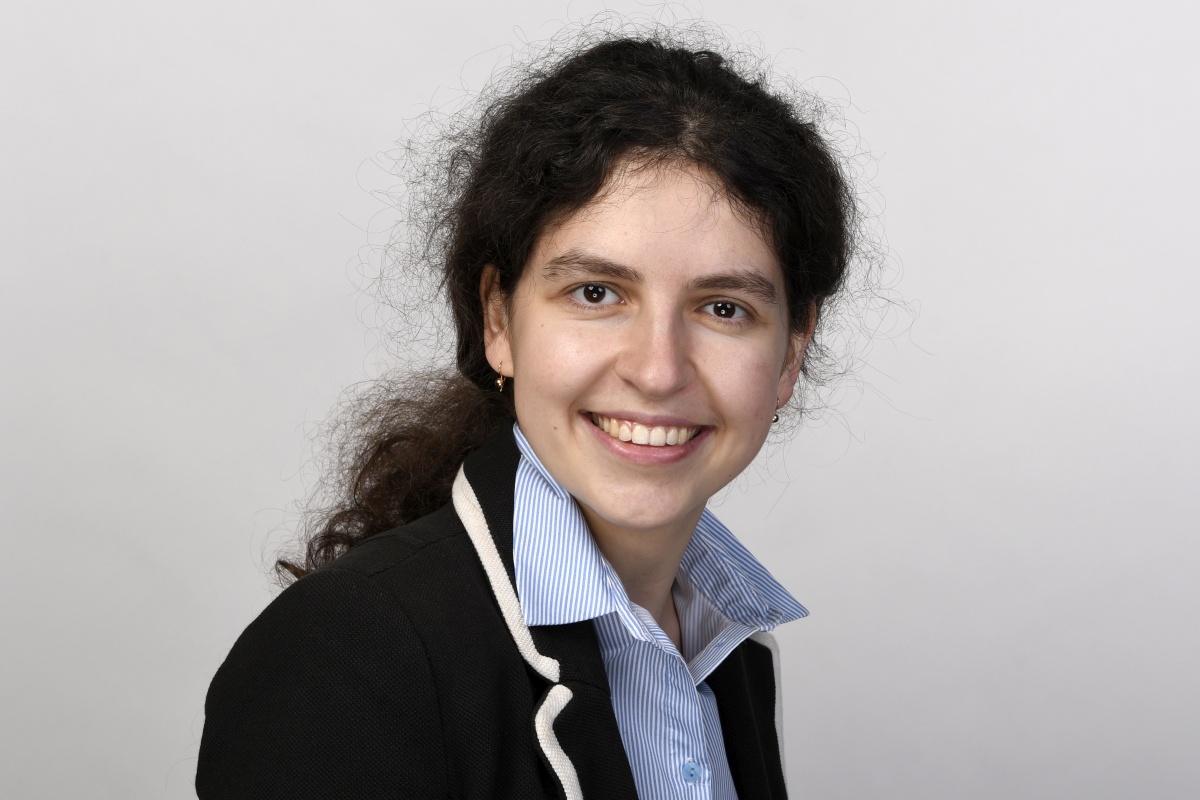
Johanna Schröder is Tenure-Track-Professor of KIT for „Electrochemical Systems in Energy Supply“ at the Institute for Applied Materials – Electrochemical Technologies (Division III).
After completing her studies in Bremen, Johanna Schröder received her PhD in 2021 at the University of Bern in the field of PEM water electrolysis and PEM hydrogen fuel cells. Thanks to postdoctoral fellowships from the German National Academy of Sciences Leopoldina and the Swiss National Science Foundation, she stayed at Stanford University and the SLAC National Accelerator Laboratory starting in 2022. In the US, she expanded her research focus towards alkaline water electrolysis and hydrogen fuel cell systems that enable the use of abundant metals such as nickel and silver. In January 2025, she joined KIT with a CZS junior research group and was appointed tenure-track professor in December 2025. She aims to bridge the gap between basic research on catalyst development and the investigation of catalyst aging in application devices.
What she is particularly looking forward to at KIT: Interdisciplinary projects und die opportunities between fundamental and applied science.
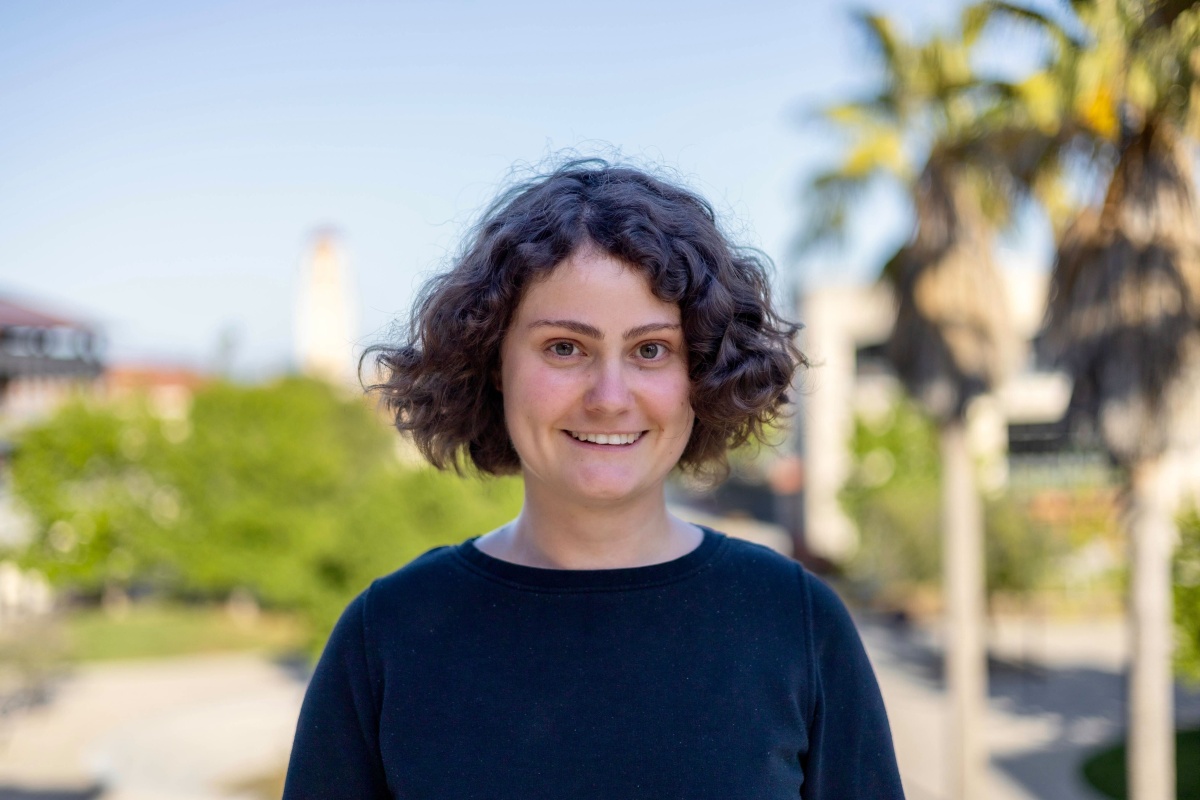
Sebastian Erdweg is a University Professor of KIT for ”Programming Languages“ at the Institute for Program Structures and Data Organization (Bereich II).
He received his BSc in computer science from TU Darmstadt, his MSc from Aarhus University in Denmark and his PhD at Philipps-Universität Marburg. Erdweg has held positions as a postdoctoral researcher at TU Darmstadt, as an assistant professor at TU Delft and as a professor at U Mainz. He works on the foundation and application of programming languages to support developers in creating and maintaining reliable and efficient software systems. His group studies the design and efficient implementation of program languages, programming tools, and programming methods. Their focus is on domain-specific languages, static analysis, logic programming, and incremental computing.
What he is particularly looking forward to at KIT: Interactions with KIT students and collaboration with KIT colleagues.
.jpg)
Michael Fischlschweiger is a University Professor of KIT for „Engineering Thermodynamics“ at the Institute of Technical Thermodynamics (Division III).
He holds a B.Sc. and M.Sc. in Polymer Engineering & Science and a Ph.D. in Materials Mechanics from University of Leoben. He also holds a Ph.D. in Thermodynamics from TU Berlin. Before joining KIT, Fischlschweiger headed the Chair of Technical Thermodynamics and Energy-Efficient Material Treatment at TU Clausthal for six years. His research focuses on Irreversible Thermodynamics and Statistical Field Theory. Fischlschweiger conducts applied research in the field of energy conversion and phase transformations in intelligent adaptive materials with applications in medical technology, aerospace, energy technology, and future mobility systems.
What he is particularly looking forward to at KIT: Working together in highly motivated teams to develop new insights into thermodynamics and translate them directly into the research-oriented teaching.
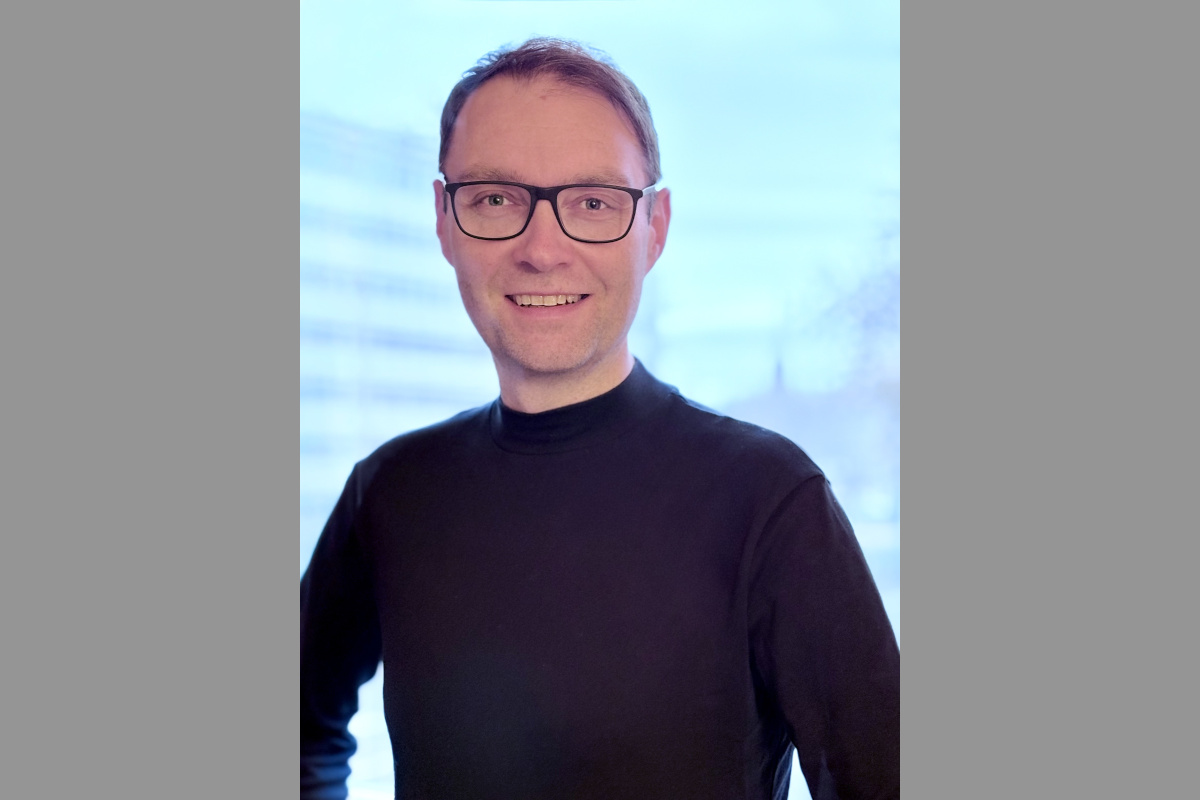
Venera Weinhardt is University Professor of KIT for „Microtechnological Applications for Medical Technology“ at the Institute of Microstructure Technology (Division III).
Since 2025, she has led the "X-ray µ-Technologies" department at the Institute of Microstructure Technology at KIT. After studying "New Methods in Medicine" at Tomsk Polytechnic University, she earned her doctorate in Physics at the Institute for Photon Science and Synchrotron Radiation at KIT in the field of X-ray phase-contrast imaging. She then conducted research on soft X-ray microscopy at Lawrence Berkeley National Laboratory, before establishing her own research group at Heidelberg University, funded by the EU Research and Innovation Act. Today, her research group, supported by the DFG's Heisenberg Programme and the ERC Synergy Grant "NanoX," among others, develops novel X-ray imaging techniques for the quantitative investigation of complex biological and biomaterial-based systems.
What she is particularly looking forward to at KIT:
To build a field of focus in medical technologies at the Faculty of Mechanical Engineering and to drive new projects for the advancement of health technologies in collaboration with other KIT research groups.
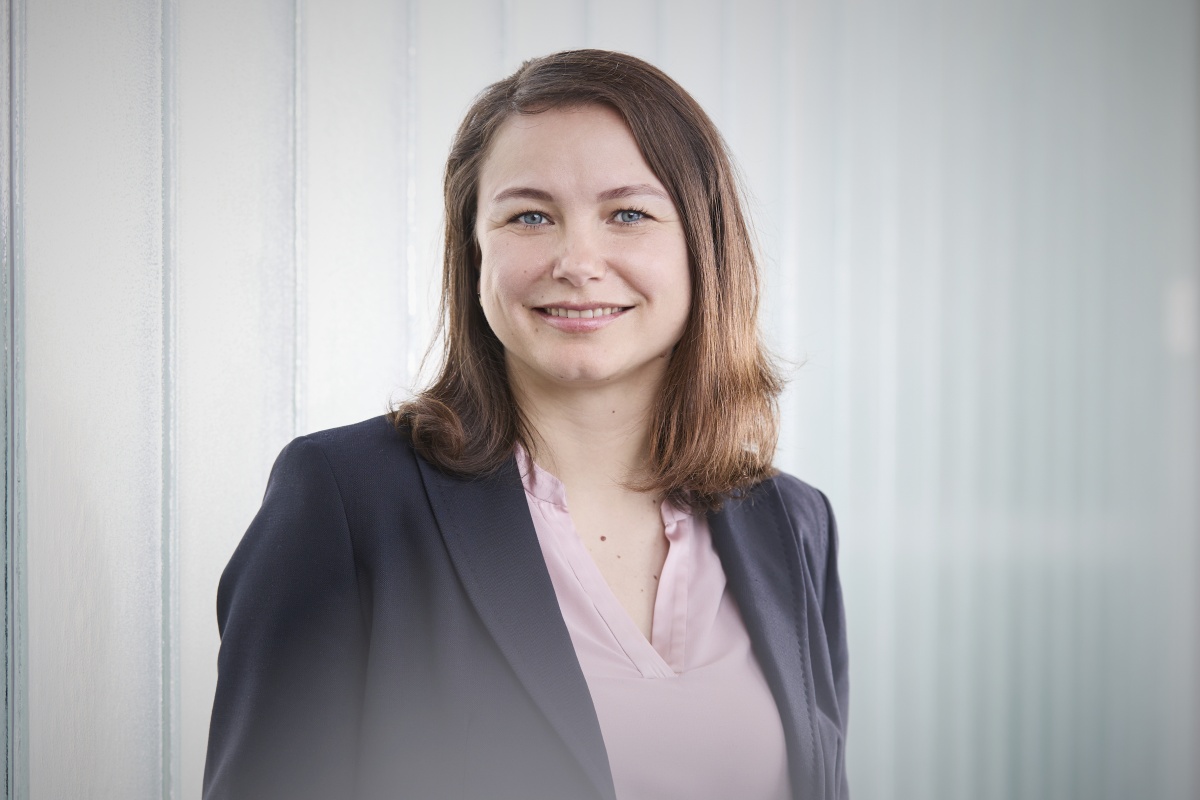
Elena Hassinger is a University Professor of KIT for „Quantum Materials“ at the Institute for Quantum Materials and Technologies (Division V).
She is a distinguished expert in experimental condensed matter physics. Her team researches new quantum materials through measurements of thermodynamic and transport properties under extreme experimental conditions. Since October 2025, Hassinger has been head of the division “New Quantum Materials” at the Institute for Quantum Materials and Technologies. She earned her physics diploma from Heidelberg University in 2007, and completed her PhD in 2010 at CEA Grenoble in France. After a postdoc in Sherbrooke, Canada, she became head of the independent research group “Physics of Unconventional Metals and Superconductors” at the Max Planck Institute for Chemical Physics of Solids in Dresden in 2014. From 2016 to 2022, she simultaneously served as an assistant professor at TU Munich. In 2022, Hassinger was appointed Professor of Low-Temperature Physics of Complex Electron Systems at TU Dresden. In
What she finds particularly exciting at KIT: The thriving research activity in unconventional superconductivity and other interesting states of matter with strong connections between theory and experiment.
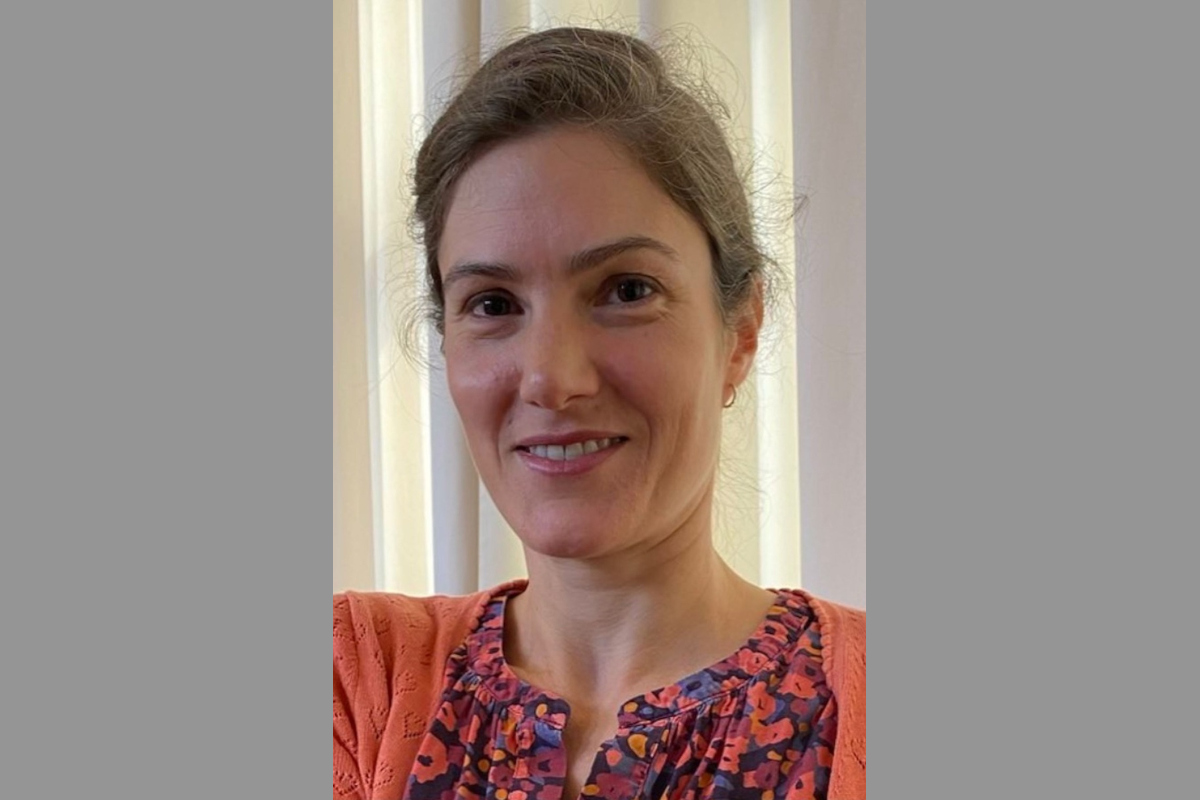
Luca M. Ghiringhelli is a University Professor of KIT for “Computational and Data Science in Materials Research” at the Scientific Computing Center (SCC) and KIT‘s Faculty of Chemistry and Biosciences.
Previously, he has been associate professor for “Data-based Materials Modelling” at the Friedrich-Alexander University, Erlangen-Nuremberg. He holds an M.Sc. in nuclear engineering from the Politecnico di Milano and a Ph.D. from the University of Amsterdam. After leading the group “Big-Data analytics for Materials Science” in the NOMAD Laboratory at the Fritz Haber Institute in Berlin, he has coordinated the area “Theory and Computation” in the FAIRmat consortium at Humboldt University in Berlin. His background is in computational statistical mechanics and electronic structure methods, applied to the evaluation of thermodynamic and kinetic properties of bulk materials, surfaces, and nano-clusters. Ghiringhelli’s current research interest is in the development and application of methods based on compressed sensing, symbolic regression, subgroup discovery, and deep learning to the data-driven modeling in materials science. His focus is on methods that yield interpretable models and can cope with “small data” for training. Ghiringhelli also leads the development of the hierarchical, extensible, and interoperable metadata infrastructure in the FAIRmat NFDI consortium.
At KIT, he is particularly looking forward to: His professorship has been created as a bridge between the research topics of the two Helmholtz programs “Engineering Digital Futures“ and “Materials Systems Engineering“. In this regard, at KIT he is looking forward to contribute to, if not boost, the development of physically informed, sustainable workflows for the design and discovery of new functional materials, to address the urgent needs of our society.
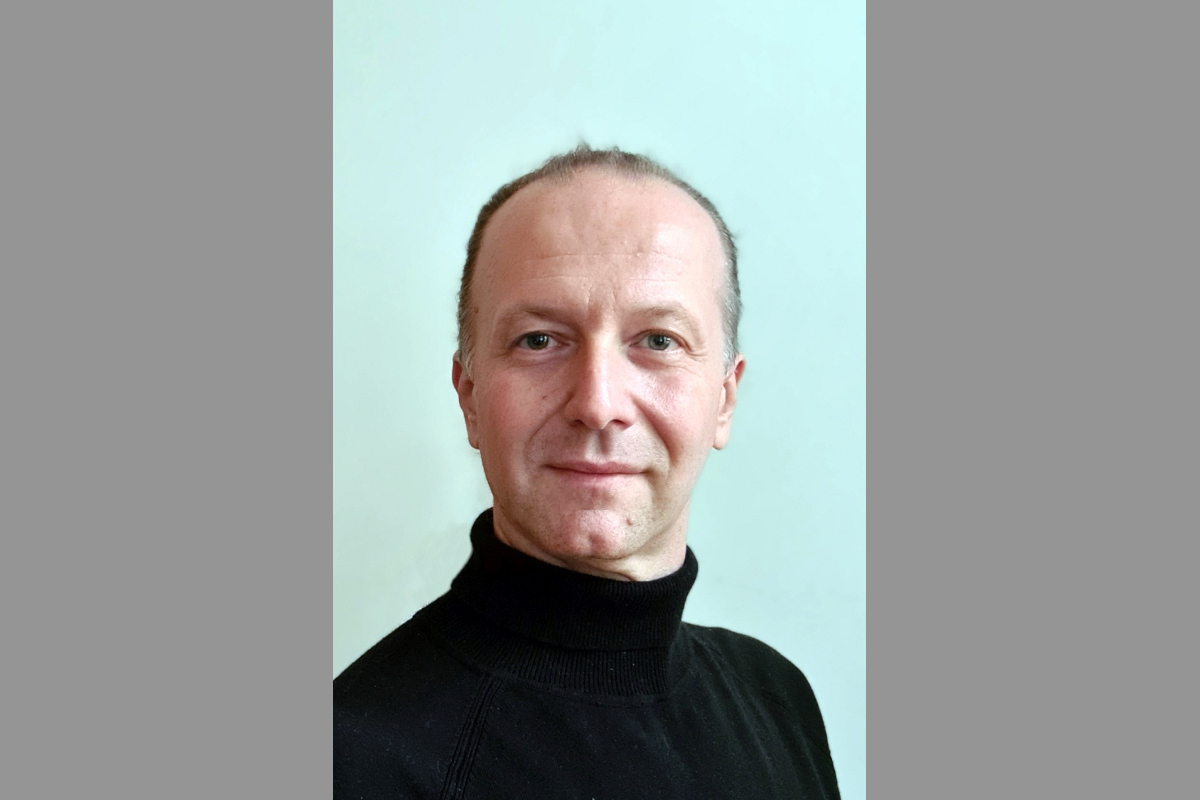
Pascal Friederich is a University Professor of KIT for „AI Methods in Materials Sciences“ at the Institute of Nanotechnology (Division V).
After his Ph.D. in physics, he received a Marie-Sklodowska-Curie Postdoctoral Fellowship at Harvard University and the University of Toronto where he worked on machine learning methods for chemistry. In 2020, Pascal Friederich was appointed assistant professor at KIT‘s Informatics Department, leading the AI for Materials Science (AiMat) research group. His research focuses on developing and applying machine learning methods for property prediction, simulation, understanding, and design of molecules and materials. Pascal Friederich's work was awarded the Heinz-Maier-Leibnitz Prize of the German Research Foundation as well as the Manfred-Fuchs-Prize of the Heidelberg Academy of Sciences.
What he finds particularly exciting at KIT: The wide range of opportunities for interdisciplinary cooperation.
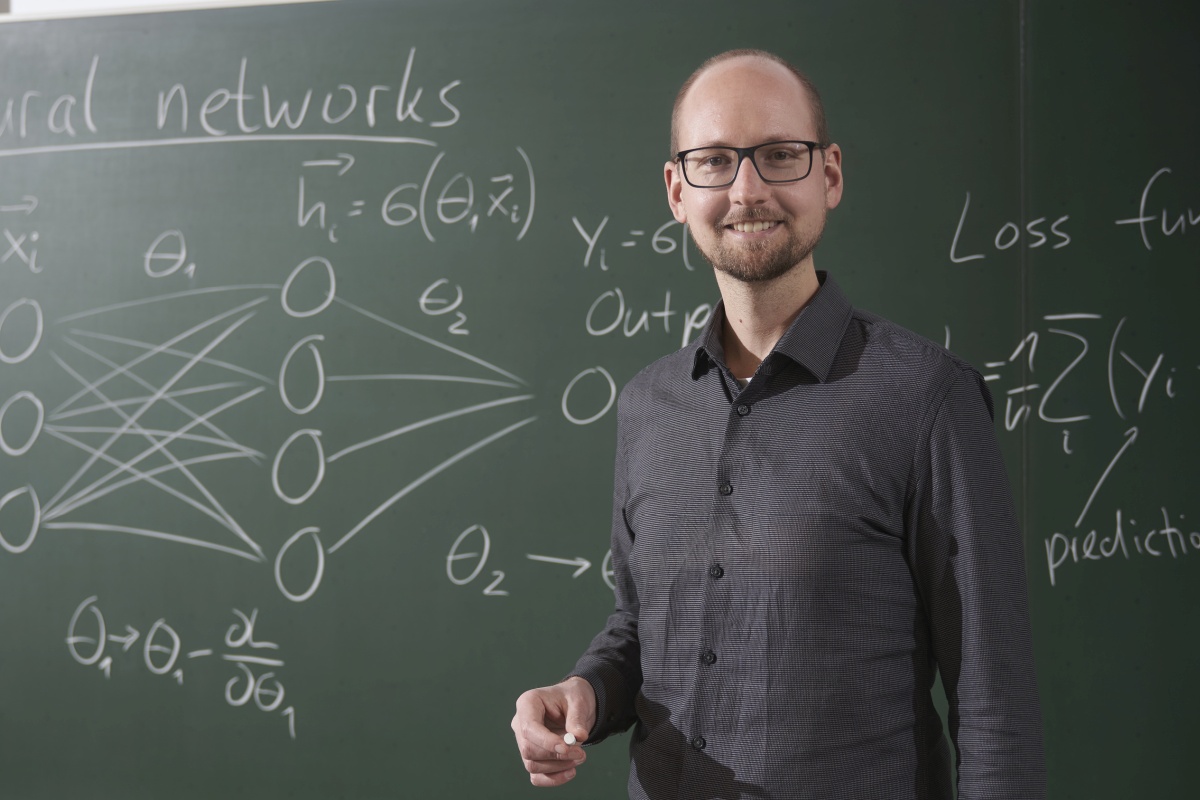
Dennis Mueller is University Professor of KIT for “Building Construction and Design” at the Institute for Building Design and Technology (Division IV).
Prior to this, he held a professorship at the University of Applied Sciences Düsseldorf since 2016. He has been running the architectural firm VON M in Stuttgart together with a partner since 2008. Mueller studied at Stuttgart Technical University of Applied Science and ETH Zurich, specializing in “Computer Aided Architectural Design.” In his research and teaching, he aims to rethink building and construction in terms of resource-efficient and climate-friendly architecture. In addition to materials made from recyclable and renewable raw materials, this also involves construction methods that enable a closed circular economy. Mueller has been a member of the Association of German Architects (BDA) since 2015 and has been chairman of the BDA Baden-Württemberg appeals committee since 2022. His awards include the German Timber Construction Award and the German Architecture Prize, both received in 2021.
At KIT, he is particularly looking forward to: Interdisciplinary exchanges with students and colleagues on topics related to the construction transition and sustainable urban development.
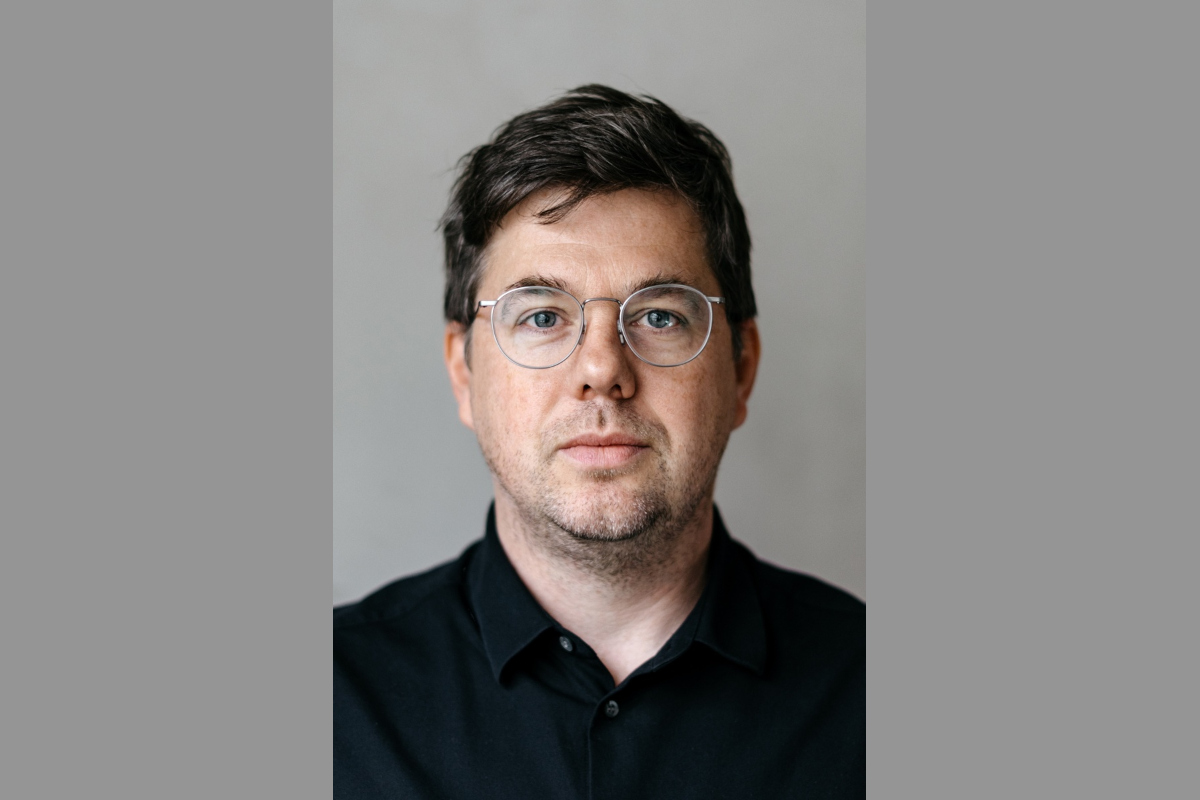
Tobias Huber-Loyola is a Tenure-Track-Professor of KIT for “Quantum Information Processing” at the Institute of Photonics and Quantum Electronics (Division III).
His PhD in Physics at the University of Innsbruck was followed by a Postdoctoral Fellowship at the Joint Quantum Institute at the University of Maryland and the National Institute of Standards and Technology. From 2018 to 2025 Huber-Loyola led the quantum dots research group at the University of Würzburg, culminating in a “Quantum Futur” independent junior PI position of the Federal Ministry for Research, Technology and Space (BMFTR). His research focusses on semiconductor quantum optics and quantum photonics and has been awarded with the Baldwin and Inge Knauf-Förderpreis (2025), BMFTR Quantum Futur funding (2022), the Anton Paar Physics Award (2017) and the JQI Postdoctoral Fellowship (2016).
At KIT, he is particularly looking forward to: Collaborate with the university’s outstanding researchers and faculty members to develop new ideas and drive scientific progress.
