
Shaping Geothermal Energy Together Across National Borders
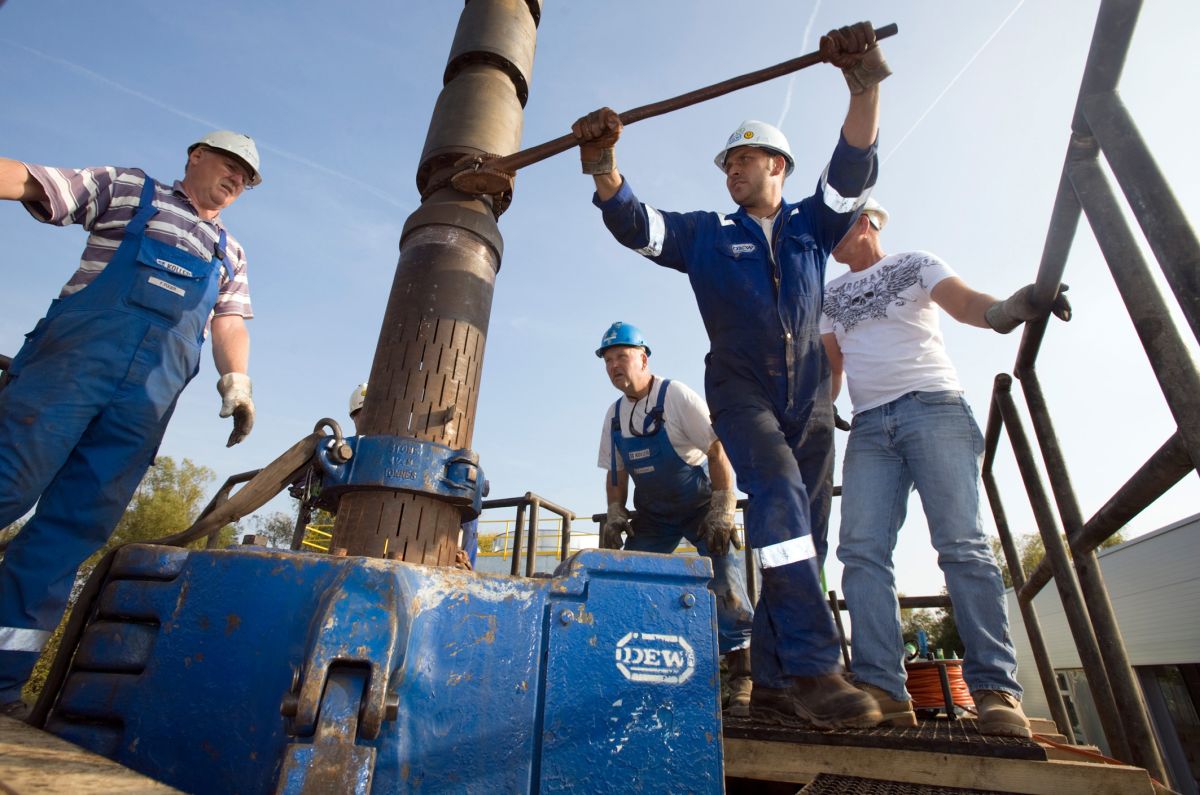
Deep geothermal energy reduces dependence on energy imports and strengthens the resilience of the energy supply by providing energy regardless of weather conditions or the time of day. The Upper Rhine region in particular has favorable geological conditions – but there are scientific and technical challenges, and the local population has significant reservations. In the Interreg project GeoTresOR, project partners from Germany, France, and Switzerland have joined forces to bring together expertise on deep geothermal energy in the Upper Rhine region across national borders, to present this information in an accessible way, and to involve the public in the dialogue. Karlsruhe Institute of Technology (KIT) is among the project partners.
A particular focus is on the diverse perspectives of the public: “Geothermal projects are more successful when citizens can have a say and help shape them from the very beginning,” says Dr. Christine Rösch from KIT’s Institute for Technology Assessment and Systems Analysis (ITAS), who organizes dialogue events for the project. “Open participation, in which everyone is treated fairly and decisions are made transparently, builds trust and acceptance.”
In addition to ITAS, the French-German Institute for Environmental Research at KIT and the Institute of Applied Geosciences (AGW) at KIT are also involved. “We want municipal stakeholders to develop expertise in deep geothermal energy and learn how to communicate it effectively. Digital tools such as 3D visualizations, virtual representations, and AI applications offer new ways to clearly communicate complex geoscientific and technical concepts and to support participatory processes,” explains Dr. Judith Bremer of the AGW.
The project funding of approximately 2.1 million euros comes from the European Regional Development Fund.
About Interreg
Interreg is a European funding program from the region and for the region that has been supporting cross-border cooperation projects in the Upper Rhine region between Germany, France, and Switzerland for 35 years.
era, October 13, 2026