
Novel Specialized Film for Drug Development
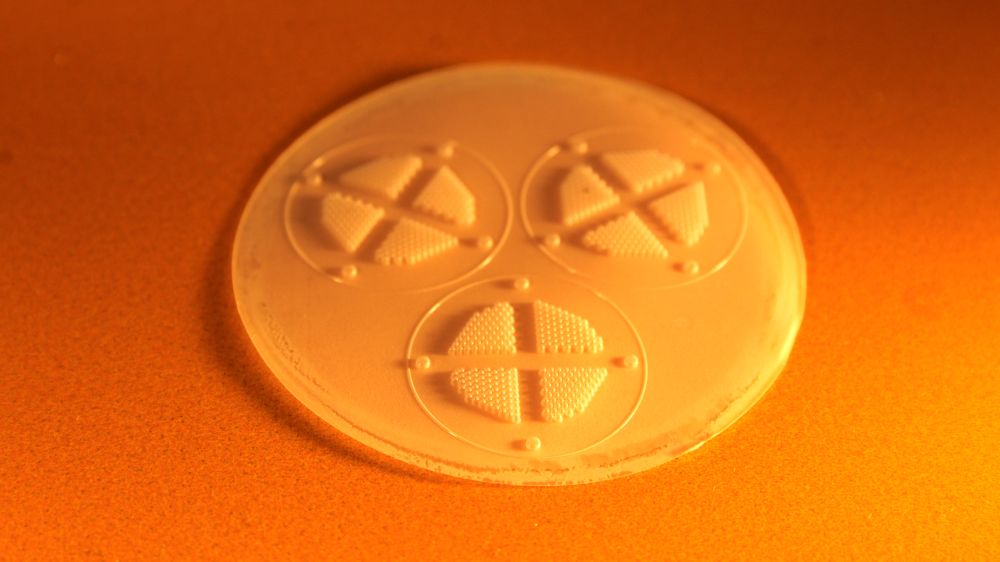
A method developed at the Karlsruhe Institute of Technology (KIT) could make drug testing more reliable, accelerate drug development, and replace animal testing. The basis consists of three-dimensional cell culture systems that reflect the conditions in the human body better than cultures grown in Petri dishes. To this end, the researchers used a specially developed oxygen-sensitive film. The research group is now presenting its results in the journal Organoids.
Measure Oxygen in Cell Cultures – Enable Realistic Conditions
“With our sensor film, we can optically determine the oxygen content at any point in the immediate microenvironment of the cells,” explains Professor Eric Gottwald from the Institute of Functional Interfaces at KIT. “This is relevant because standard cell cultures with typically at around 18.6 percent oxygen are significantly above the levels in the human body. This can distort cellular metabolic processes. Thanks to the precise measurement, we can specifically adjust the oxygen so that the metabolic processes in the culture resemble much more a real tissue.”
The researchers consider their system as a building block for preclinical drug development. In their culture system, up to 600 wells fit on one square centimeter of film, in which cells form into the desired round aggregates. This allows many samples to be examined in parallel. The oxygen measurement now also enables the determination of so-called “off-target-effects“ of drug candidates. “We used the system for the characterization of cytostatics for cancer therapy and found that these can also influence cell respiration even at low concentrations,” says Gottwald. This finding could help optimize dosing and reducing side effects.
cka, March 5, 2026